


Weight management is one of the most searched health topics today, and as people look beyond crash diets and extreme workouts, natural supplements are gaining attention. One such supplement is CBD oil, a hemp-derived compound widely discussed for stress relief, sleep support, and inflammation control. Recently, interest has surged around CBD oil for weight loss and overall weight balance.
This beginner’s guide explores the science, myths, benefits, and limitations of CBD oil and weight loss, helping you understand whether CBD fits into a healthy weight-management strategy.
For muscle recovery and relaxation, many people also rely on Pain Relief Massage Oil to ease soreness after workouts.
Understanding CBD Oil: What Beginners Should Know
CBD, short for cannabidiol, is a non-intoxicating compound extracted from hemp plants. CBD does not produce a “high,” in contrast to THC making it appealing to people seeking wellness benefits without psychoactive effects.
CBD oil is typically consumed sublingually (under the tongue), in capsules, gummies, or added to food. Its interaction with the body happens primarily through the endocannabinoid system (ECS)—a network of receptors that helps regulate balance (homeostasis), including metabolism, appetite, stress response, and sleep.
This connection is why exploring CBD oil for weight management has become a serious topic in health and nutrition discussions.
For those seeking natural options, our Cannabis Oil is worth exploring.
How the Endocannabinoid System Affects Weight

To understand CBD weight loss claims, it’s essential to understand the endocannabinoid system.
The ECS includes:
- CB1 receptors, mostly in the brain and nervous system
- CB2 receptors, mostly in the peripheral organs and immunological system
CB1 receptors are strongly associated with appetite and food cravings. Overactivation of CB1 receptors has been linked to increased hunger and fat storage. CBD does not directly stimulate CB1 receptors like THC does. Instead, it may help regulate ECS activity, potentially supporting metabolic balance.
This regulatory effect is a key reason researchers are examining CBD oil weight loss mechanisms.
Wellness routines often include supplements like canna gummies for consistent daily use.
Does CBD Help You Lose Weight?
One of the most common questions is: does CBD help you lose weight?
The honest answer: CBD is not a magic weight-loss solution, but it may support weight management indirectly in several ways.
1. May Support Fat Browning
Some early studies suggest CBD may promote the conversion of white fat (stored fat) into brown fat, which burns calories to produce heat. This process, known as “fat browning,” could support metabolic efficiency.
2. May Help Regulate Appetite
Unlike THC, which increases appetite, CBD appears to have a neutral or balancing effect. This is why people often ask, does CBD make you lose weight or gain weight? CBD does not trigger binge-eating behavior and may help normalize appetite patterns influenced by stress or poor sleep.
3. May Reduce Stress-Related Eating
Chronic stress raises cortisol levels, which are linked to belly fat and emotional eating. CBD’s calming properties may help reduce anxiety and stress-driven cravings, indirectly supporting weight loss CBD goals.
Does CBD Cause Weight Gain?
Another frequently searched question is: does CBD cause weight gain?
Current evidence suggests CBD itself does not directly cause weight gain. However, weight changes depend on multiple factors, including diet, lifestyle, dosage, and product type.
When People Think CBD Causes Weight Gain
- CBD gummies or edibles may contain sugar and calories
- Improved sleep may increase appetite in under-eating individuals
- Better relaxation may normalize appetite in people with high anxiety
So, when people ask does CBD make you gain weight, the answer is usually tied to how CBD is consumed rather than CBD itself.
CBD Oil for Weight Loss vs. Appetite Control

Many beginners assume CBD oil for weight loss works by suppressing appetite. In reality, CBD’s role is more about balance than suppression.
CBD may:
- Help reduce compulsive eating
- Support mindful eating habits
- Improve metabolic signaling
- Enhance recovery from exercise
This balanced approach is why cbd oil and weight loss discussions often focus on long-term wellness rather than rapid results.
CBD Oil and Metabolism: What Science Suggests
A key factor in controlling weight is metabolism. Slower metabolic rates can make fat loss difficult, even with diet and exercise.
CBD may support metabolism by:
- Reducing systemic inflammation
- Supporting insulin sensitivity
- Helping regulate lipid metabolism
Although more clinical research is needed, these effects suggest CBD may complement traditional weight-management strategies rather than replace them.
Does CBD Make You Lose Weight or Just Support Wellness?
A better question than “does CBD make you lose weight” is:
Does CBD help create conditions that support healthy weight loss?
CBD does not burn fat on its own. Instead, it may:
- Improve sleep quality
- Reduce stress hormones
- Support exercise recovery
- Encourage consistency in healthy habits
When combined with proper nutrition and activity, CBD may act as a supportive tool, not a standalone solution.
Choosing the Right CBD Oil for Weight Management
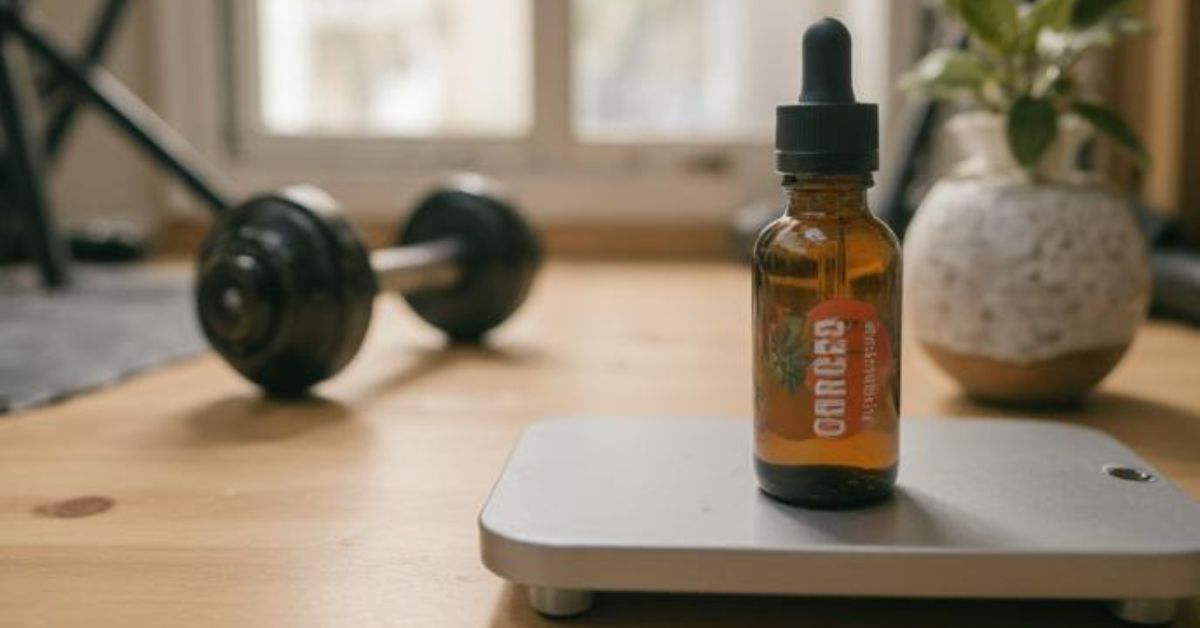
Not all CBD products are equal. If you’re exploring CBD oil weight loss options, quality matters.
What to Look For
- Full-spectrum or broad-spectrum CBD oil
- Third-party lab testing (COA available)
- Minimal additives and no artificial sweeteners
- Hemp sourced from reputable farms
Avoid products marketed as “instant fat burners.” Sustainable weight management requires realistic expectations.
How to Use CBD Oil for Weight Loss Safely
There is no universal CBD dosage for weight management. Beginners should start low and adjust gradually.
Beginner Dosage Tips
- Start with 10–20 mg per day
- Take CBD consistently at the same time daily
- Monitor appetite, energy, and sleep changes
- Increase slowly if needed
Sublingual CBD oil is often preferred for its faster absorption and dosage control.
CBD Advice TweeklyNutrition Readers Should Know
According to CBD advice TweeklyNutrition style wellness guidelines, CBD should be viewed as part of a holistic lifestyle—not a shortcut.
Their approach emphasizes:
- Balanced nutrition
- Regular physical activity
- Stress management
- Supplement transparency
CBD works best when aligned with these principles, especially for beginners focused on sustainable results.
CBD Oil and Exercise Performance
Exercise is essential for weight management, and CBD may help improve consistency by supporting recovery.
Potential benefits include:
- Reduced post-workout soreness
- Better muscle recovery
- Improved sleep quality
- Reduced exercise-related anxiety
These effects may help users stick to workout routines longer, indirectly supporting CBD for weight loss goals.
Can CBD Replace Diet and Exercise?
No. CBD is not a replacement for:
- Calorie awareness
- Nutrient-dense foods
- Strength training
- Cardiovascular exercise
However, it may make these habits easier to maintain by reducing stress, improving sleep, and supporting recovery.
Common Myths About CBD and Weight Loss
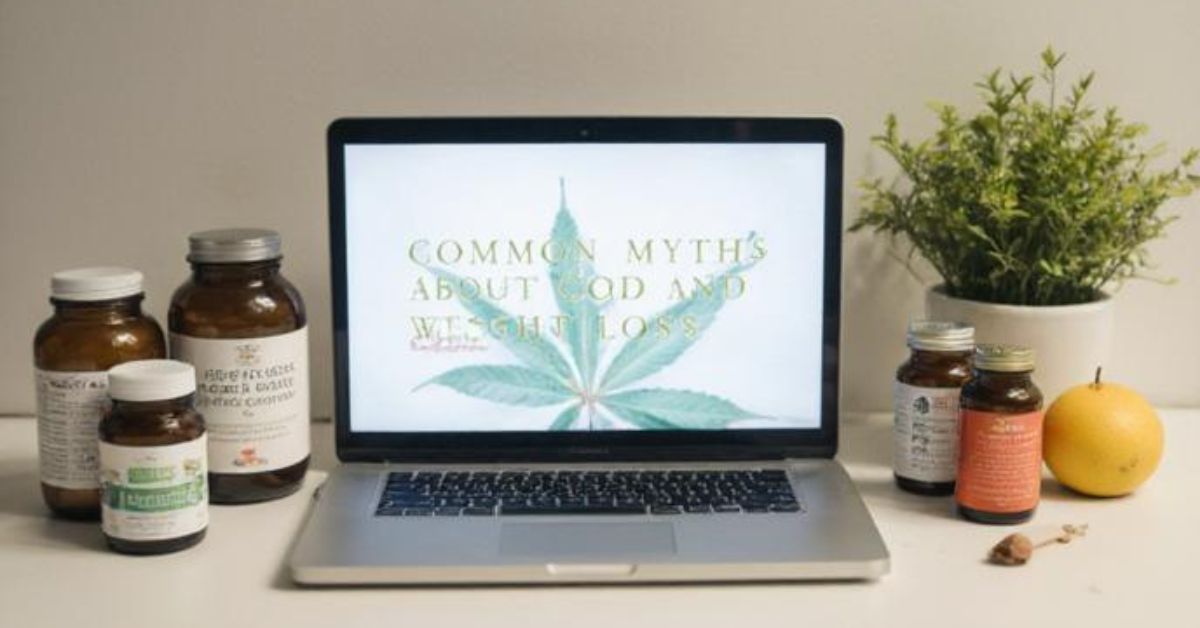
Myth 1: CBD Automatically Burns Fat
CBD does not directly burn fat like stimulants.
Myth 2: CBD Causes Extreme Weight Gain
Pure CBD oil does not cause sudden weight gain.
Myth 3: Higher Doses Work Faster
More CBD is not always better and may cause fatigue.
Understanding these myths helps beginners approach exploring CBD oil for weight management realistically.
Is CBD Safe for Long-Term Use?
Most research suggests CBD is well-tolerated when used responsibly. Mild side effects may include:
- Dry mouth
- Fatigue
- Digestive changes
Consult a healthcare professional if you:
- Take prescription medications
- Have underlying health conditions
- Are pregnant or breastfeeding
Who Should Consider CBD for Weight Management?
CBD may be helpful for:
- People with stress-related eating patterns
- Those struggling with sleep-related weight issues
- Individuals seeking non-stimulant support
- Beginners interested in holistic wellness
CBD may be less effective for those expecting rapid or dramatic weight loss without lifestyle changes.
Final Thoughts:
Exploring CBD oil for weight management is about understanding balance, not chasing quick fixes. CBD does not replace healthy habits, but it may support them by addressing stress, sleep, inflammation, and recovery—key factors often overlooked in weight-loss journeys.
If you’ve been wondering:
- Does CBD help you lose weight?
- Does CBD make you gain weight?
The answer lies in how you use it. When paired with mindful nutrition and consistent activity, CBD oil may become a valuable part of a long-term, sustainable approach to weight wellness.
FAQs
1. Does CBD help you lose weight?
CBD may help support weight management, but it does not directly cause fat loss. Research suggests CBD can influence appetite regulation, metabolism, stress levels, and sleep quality, which are all factors linked to healthy weight control. When combined with proper diet and exercise, CBD oil and weight loss efforts may work more effectively.
2. Does CBD make you lose weight or gain weight?
CBD does not automatically cause weight loss or weight gain. Instead, it helps promote balance in the body. Some people experience reduced stress-related eating, while others notice improved appetite regulation. Whether CBD supports weight loss or maintenance depends on lifestyle, dosage, and product quality.
3. Does CBD cause weight gain?
Pure CBD oil does not typically cause weight gain. However, some CBD products like gummies may contain added sugars and calories. When people ask does CBD cause weight gain, the answer often depends on the form of CBD used rather than CBD itself.
4. Does CBD make you gain weight?
CBD alone is unlikely to make you gain weight. It does not stimulate appetite the way THC does. If weight gain occurs, it is usually linked to improved appetite balance, reduced anxiety, or consuming calorie-heavy CBD edibles.
5. Is CBD oil good for weight loss?
CBD oil for weight loss may be beneficial as a supportive supplement. It may help manage stress, improve sleep, reduce inflammation, and support metabolism—all of which play important roles in sustainable weight management.