

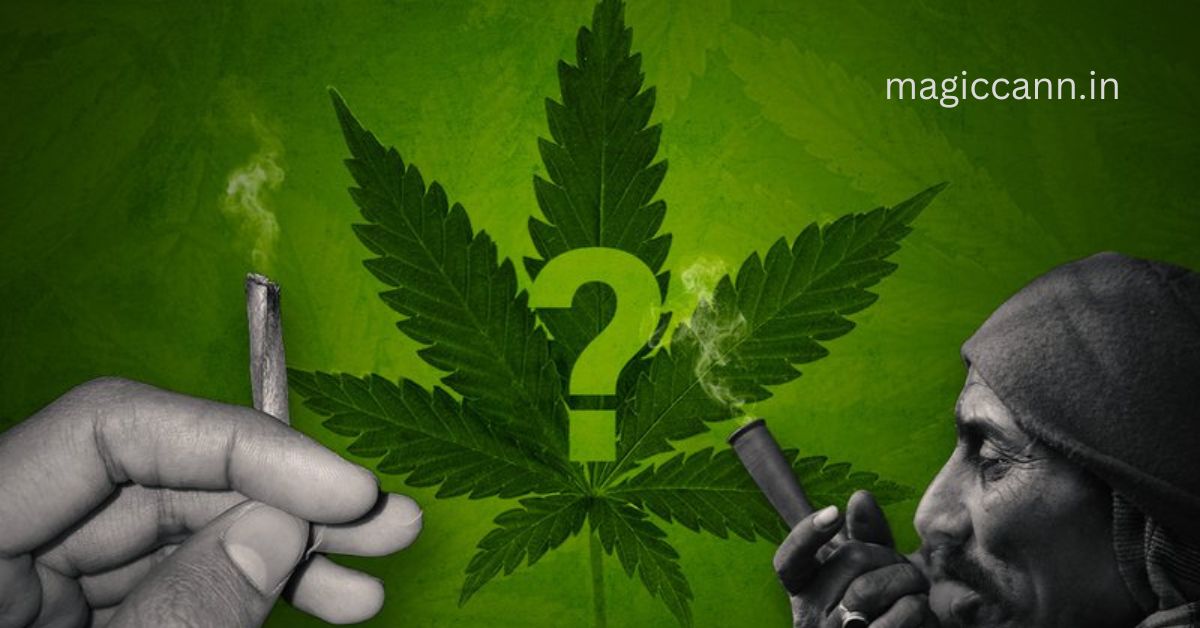
Did you know that while ganja is banned in India, bhang—a cannabis-based preparation—is still legal in certain states? This paradox often confuses both residents and travelers, raising important questions about what is allowed and what isn’t. If you’ve ever wondered, “Is Ganja Banned in India? Legal Insights”, this article will clear the confusion.
Understanding the legal status of cannabis in India is crucial not only for abiding by the law but also for avoiding severe penalties. Possession, sale, or cultivation of ganja can lead to fines or imprisonment, making it essential to know the boundaries set by the law. With growing discussions around medicinal cannabis and regional variations in enforcement, staying informed is more important than ever.
In this guide, we’ll explore ganja laws in India, explain why some forms like bhang remain legal, and provide clear insights into what is considered illegal. By the end, you’ll have a complete picture of cannabis in India—what’s prohibited, what’s allowed, and how to stay on the right side of the law.
Understanding Ganja and Cannabis in India
Ganja, commonly known as marijuana, is a psychoactive form of cannabis that is primarily used for recreational or medicinal purposes. In India, it is classified under the Narcotic Drugs and Psychotropic Substances (NDPS) Act, making its use, sale, and cultivation illegal in most cases. Unlike ganja, bhang is a traditional preparation made from cannabis leaves and is consumed in beverages or sweets, particularly during festivals like Holi and Shivratri. Charas, on the other hand, is a concentrated form of cannabis resin that is also illegal under Indian law.
Cannabis has a long historical and cultural presence in India. Ancient literature have references to cannabis like the Atharva Veda, where it was considered sacred and used in religious rituals. Over centuries, cannabis became ingrained in certain cultural practices, especially in spiritual ceremonies and traditional medicine.
Today, it’s important to distinguish between these forms because while bhang remains legal in some states, ganja and charas are strictly prohibited. Many people ask, “Is ganja illegal?” or “Is ganja legal in India?”—the answer is clear: outside regulated exceptions, ganja is illegal, and violating the law can result in significant penalties.
Stay updated with the latest Vijaya Palli Oil Rate to make informed purchasing decisions.
The Legal Framework Governing Ganja in India
Act of 1985 Concerning Narcotic Drugs and Psychotropic Substances (NDPS) serves as the primary legal framework regulating the use, possession, and trade of cannabis in India. Enacted to curb drug abuse and trafficking, the NDPS Act classifies ganja as an illegal substance, strictly prohibiting its cultivation, sale, transport, and consumption in most forms.
Under the NDPS Act, penalties for violations vary depending on the quantity of ganja involved:
- Small quantity: Possession may result in imprisonment of up to 6 months or a fine.
- Commercial quantity: Involvement in sale, transport, or cultivation can lead to imprisonment ranging from 10 years to life, along with hefty fines.
- Repeat offenders: Can face enhanced penalties under the law.
It’s also important to note state-level variations in enforcement. While the central law prohibits ganja nationwide, some states regulate certain forms, such as bhang, and enforcement intensity may differ from region to region. For example, Uttar Pradesh and Rajasthan allow bhang consumption during festivals, while ganja remains strictly banned.
For more detailed information, you can check our comprehensive guide on drug laws in India, which explains how the NDPS Act impacts various narcotics and the legal consequences of violations.
Understanding the NDPS Act helps answer questions like “Is ganja banned in India?” and “Why ganja is illegal?”—the answer lies in its psychoactive effects and potential for abuse, which the law aims to control for public safety and health.
Experience the effects of MagicCann Canna Gummies safely and conveniently with our trusted guide.
Exceptions: Bhang and Regional Variations
While ganja is illegal in India, there are notable exceptions, the most prominent being bhang. Bhang is a traditional cannabis preparation made from the leaves of the cannabis plant, often consumed as a beverage or in sweets, especially during cultural and religious festivals like Holi and Shivratri. Unlike ganja or charas, bhang contains lower concentrations of THC, which makes it less potent and safer for regulated consumption.
Several states in India allow the sale and consumption of bhang under state-specific regulations. For example, Uttar Pradesh, Rajasthan, Madhya Pradesh, and Maharashtra have licensed bhang shops that sell this preparation legally during festivals. This controlled legality creates a clear distinction between ganja, which is strictly prohibited, and bhang, which is culturally accepted in certain regions.
This brings clarity to questions like “Is bhang legal in India?” and helps readers understand why ganja remains illegal in India, despite the traditional and religious use of cannabis in the form of bhang. Knowing these differences is crucial for both residents and travelers to avoid legal complications.
Penalties for Possession or Sale of Ganja
The Indian legal system treats ganja possession and sale very seriously, with penalties varying depending on the quantity involved. Under the NDPS Act, punishment tiers are clearly defined:
- Small Quantity: Possession of a small amount for personal use can lead to imprisonment of up to 6 months, a fine, or both. This is considered a minor offense but still carries legal consequences.
- Large or Commercial Quantity: Possession, cultivation, or sale of a larger quantity is treated as a major offense, attracting imprisonment from 10 years to lifealong with hefty fines. Repeat offenders may face even stricter punishment.
For tourists or foreigners, the consequences are no less severe. Even unintentional possession or consumption can lead to arrest, prosecution, and possible deportation. India does not provide leniency for foreign nationals, and ignorance of the law is not considered a valid defense.
Understanding these penalties helps answer critical questions such as “why is weed banned in India?” and “why ganja is banned in India?”—the law aims to control abuse, protect public health, and prevent illegal trafficking. Staying informed about ganja punishment in India and the cannabis possession penalty is essential for anyone living in or visiting the country.
Our review highlights the top-rated Canna Gummies India available online.
Foreigners and Ganja in India: Legal Insights
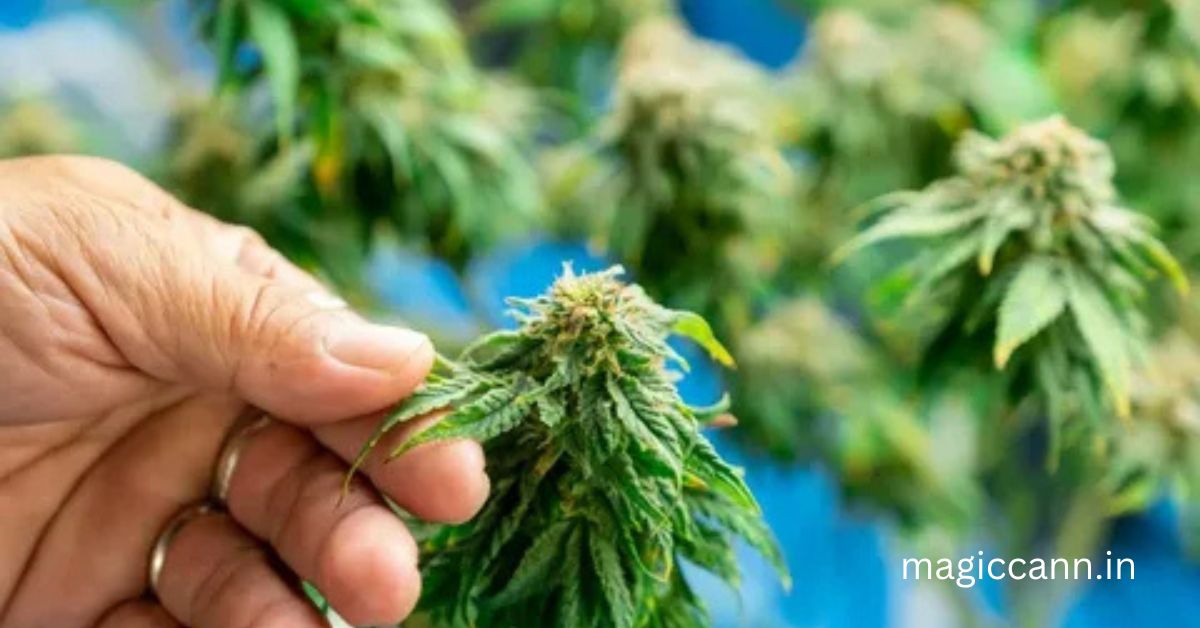
For tourists and foreign visitors, it is crucial to understand that ganja is illegal in India, and there are no exceptions for non-residents. Possessing, consuming, or attempting to purchase ganja can result in serious legal consequences, including arrest, prosecution, and even deportation. Is weed legal in india? Indian authorities enforce cannabis laws strictly, and ignorance of the law is not considered a valid defense.
While some cultural practices, such as consuming bhang during festivals, are legal in specific states, foreigners should exercise extreme caution. Even bhang consumption outside licensed outlets or permitted festivals may be viewed as illegal use.
Being aware of the rules regarding ganja in India is essential for travelers to avoid legal trouble. The law is clear: possession or use of ganja can have severe consequences regardless of your nationality.
Future of Cannabis Legalization in India
The conversation around cannabis legalization in India has been gaining momentum in recent years. While recreational use of ganja remains illegal, several debates and pilot programs are exploring the potential for medicinal marijuana in India. Research institutions and private companies are investigating cannabis-based treatments for chronic pain, epilepsy, and other medical conditions, signaling a shift in perception from purely recreational prohibition to therapeutic possibilities.
Legal reforms are also under discussion in some states, with proposals to regulate cultivation and sale strictly for medicinal purposes. Despite this progress, why weed is illegal in India for recreational use remains tied to concerns about abuse, public health, and trafficking. Lawmakers continue to balance these risks with potential benefits, leaving the future of legalization uncertain but promising.
For readers curious about India’s evolving cannabis landscape, staying informed about why weed is illegal in India today and the ongoing discussions about medicinal use can help understand possible changes in the near future.
Conclusion
Ganja remains banned under the NDPS Act, making its cultivation, sale, and consumption illegal across most of India. However, exceptions exist for bhang, a traditional cannabis preparation that is legally permitted in certain states during cultural and religious occasions. Possession or sale of ganja can lead to serious penalties, including fines, imprisonment, or both, and even tourists must exercise caution to avoid legal trouble.
Understanding the distinction between different forms of cannabis is necessary for anyone traveling to or residing in India. By staying informed about the marijuana plant and why it is regulated, readers can make safe and informed choices.
FAQs:
1. Is ganja banned in India in 2025?
Yes, ganja is banned in India in 2025 under the NDPS Act. Possession, sale, or cultivation of ganja is illegal across most states, with strict penalties for violations. Only certain forms like bhang remain legal in specific states during festivals. Staying informed about ganja laws in India is essential.
2. Is bhang legal in India?
Yes, bhang is legal in India in select states such as Uttar Pradesh, Rajasthan, and Madhya Pradesh. It is typically consumed during festivals and religious rituals. Unlike ganja, bhang is regulated and considered culturally acceptable, making it an exception in India’s cannabis laws.
3. What is the punishment for ganja possession in India?
Punishment depends on quantity. For a small quantity, imprisonment up to 6 months or a fine may apply. For large or commercial quantities, penalties include 10 years to life imprisonment with hefty fines. The cannabis possession penalty aims to prevent abuse and trafficking.
4. Can foreigners use ganja in India legally?
No, foreigners cannot use ganja in India legally. Possession or consumption can lead to arrest, prosecution, and even deportation. India enforces cannabis laws strictly, and ignorance of the law is not an excuse. Tourists should avoid ganja entirely to stay compliant with ganja laws in India.
5. Will cannabis be legalized in India in the future?
Currently, recreational cannabis remains illegal, but discussions about cannabis legalization in India are ongoing, particularly for medicinal purposes. Research on medicinal marijuana in India is growing, and some states are exploring regulated use. Full legalization for recreational purposes is still uncertain.