

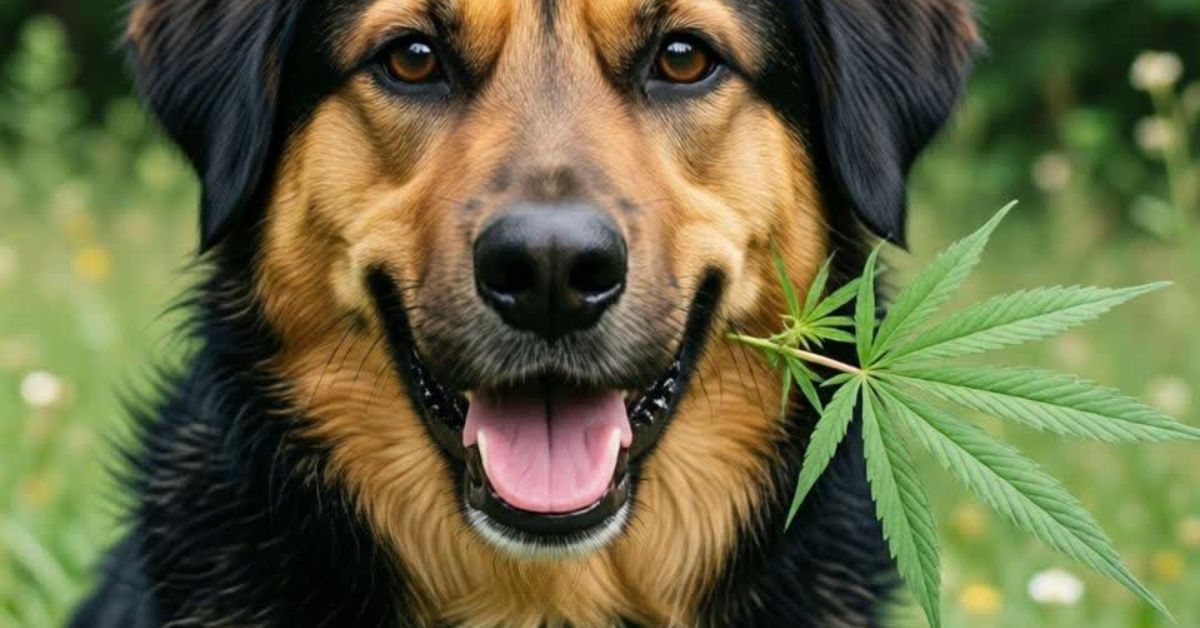
Hip dysplasia is a prevalent and frequently excruciating disorder that affects many dogs, especially larger breeds. If your furry friend struggles with stiff joints, difficulty moving, or signs of discomfort, you could be looking for secure and efficient means of assistance their mobility. One solution gaining popularity among dog owners is CBD for dogs with hip dysplasia. In this article, we’ll explore how CBD can help, what the research says, and how to choose the best CBD oil for dogs with hip dysplasia.
For additional joint support, you can pair CBD for dogs with hip dysplasia with a pain relief massage oil to help relax muscles and reduce discomfort.
What is Hip Dysplasia in Dogs?
Hip dysplasia is a genetic and developmental disorder where the hip joint doesn’t form correctly. In healthy dogs, the ball and socket of the hip joint fit comfortably, enabling fluid motion. Dogs with hip dysplasia have a loose joint, which can result in:
- Joint instability
- Pain and inflammation
- Reduced mobility
- Early onset arthritis
Breeds like German Shepherds, Labradors, Golden Retrievers, and hip dysplasia is very common in Saint Bernards. However, it can affect any dog, including mixed breeds.
When looking for effective relief, some dog owners prefer full spectrum cannabis oil to support joint health and reduce inflammation naturally.
In dogs, hip dysplasia frequently manifests as:
- Difficulty getting up or lying down
- Limping or favoring one leg
- Reduced activity or reluctance to play
- Stiffness, especially after rest
- Audible clicking in the hip joint
See your veterinarian if you observe these symptoms for a proper diagnosis. X-rays are typically used to confirm hip dysplasia.
If you’re looking for high-quality CBD Oil India, you can find trusted options suitable for supporting your dog’s hip health.
Traditional Treatments for Hip Dysplasia
Conventional treatments for hip dysplasia often focus on pain management and improving mobility. These may include:
- Nonsteroidal anti-inflammatory drugs (NSAIDs): Reduce pain and inflammation.
- Physical therapy and hydrotherapy: Strengthen muscles and improve joint function.
- Weight management: Joint tension is decreased when your dog maintains a healthy weight.
- Surgery: Options like total hip replacement or femoral head ostectomy may be recommended in severe cases.
While effective, these treatments can sometimes be costly, have side effects, or require long recovery periods. That’s why many pet owners are exploring natural alternatives, such as CBD for dog hip pain.
How CBD Can Help Dogs with Hip Dysplasia
Cannabidiol, or CBD for short, is a non-psychoactive substance that is present in hemp plants. In contrast to THC, CBD does not result in a “high” and, when taken in moderation, is safe for dogs.
Research and anecdotal evidence suggest CBD may help dogs with hip dysplasia in several ways:
1. Reducing Inflammation
Hip dysplasia often leads to chronic inflammation in the hip joint. CBD interacts with the endocannabinoid system (ECS) in dogs, which regulates pain, immune response, and inflammation. By supporting ECS function, CBD for dogs with hip dysplasia may help reduce joint inflammation and swelling, leading to greater comfort.
2. Pain Relief
One of the main benefits of CBD for hip dysplasia in dogs is its potential to alleviate pain. Dogs may experience discomfort due to joint instability or arthritis caused by hip dysplasia. CBD’s anti-inflammatory properties, combined with its effects on pain receptors, can help ease discomfort and improve your dog’s quality of life.
3. Supporting Joint Health
Some CBD products for dogs include additional components that promote joint health, such as chondroitin or glucosamine. These formulations, sometimes labeled as CBD hip and joint for dogs, can help maintain cartilage and improve mobility over time.
4. Reducing Anxiety Associated with Pain
Pain can make dogs anxious or reluctant to move. CBD has calming effects that may help reduce anxiety related to discomfort, encouraging your dog to stay active and maintain muscle strength.
Does CBD Help Dogs with Bad Hips?
A common question is: “Does CBD help dogs with bad hips?” The answer, based on current research and anecdotal reports from dog owners, is yes—CBD can help. While it’s not a cure for hip dysplasia, CBD provides a natural option to manage pain, reduce inflammation, and improve mobility. Many owners report that dogs become more active, comfortable, and playful after consistent CBD use.
Choosing the Best CBD for Dogs with Hip Dysplasia
Selecting the right CBD product is crucial for effectiveness and safety. Here’s what to look for when choosing CBD oil for hip dysplasia in dogs:
1. Full-Spectrum vs. Isolate
- Full-spectrum CBD contains multiple cannabinoids and terpenes, which may provide enhanced benefits due to the “entourage effect.”
- CBD isolate contains only cannabidiol, without other cannabinoids.
For dogs with hip dysplasia, full-spectrum products may offer better anti-inflammatory and pain-relief effects.
2. Organic and Lab-Tested
Always choose products that are:
- Made from organically grown hemp
- Free from pesticides, heavy metals, and additives
- Third-party lab-tested with a Certificate of Analysis (COA)
3. Proper Dosage
Dosage depends on your dog’s weight, the severity of hip dysplasia, and product concentration. The majority of veterinarians advise beginning with a small dosage and gradually increasing while monitoring your dog’s response.
4. Formulations for Dogs
CBD products designed specifically for dogs are preferred. Options include:
- CBD oil or tinctures: Easy to administer via food or directly.
- CBD capsules for dogs: Pre-measured doses for convenience.
- CBD treats and chews: Tasty options for picky eaters.
Look for products labeled best CBD oil for dogs with hip dysplasia or best CBD for dogs hips for targeted joint support.
How to Give CBD to Your Dog
Administering CBD safely is essential. Here’s a step-by-step guide:
- Consult Your Veterinarian: Before beginning CBD, always see your veterinarian, particularly if your dog is taking other drugs.
- Start Low, Go Slow: Begin with a small dose and gradually increase until you notice relief.
- Observe Your Dog: Monitor for changes in mobility, activity, or appetite.
- Consistency is Key: Daily administration often provides the best results for chronic conditions like hip dysplasia.
Does Hemp Oil Help Dogs with Hip Pain?
Hemp oil (hemp seed oil) is different from CBD oil. While hemp oil contains essential fatty acids and nutrients that support overall health, it lacks significant CBD concentrations. Therefore, does hemp oil help dogs with hip pain? — it may offer mild joint support but is not as effective as CBD oil for hip dysplasia in dogs.
For targeted pain relief and anti-inflammatory benefits, CBD oil is the preferred choice.
Success Stories: Dogs Using CBD for Hip Dysplasia

Numerous dog owners have experienced success with CBD treatment for hip dysplasia:
- Max, a 7-year-old Labrador: After six weeks on CBD oil, Max showed improved mobility and was able to climb stairs more easily.
- Bella, a German Shepherd: Regular CBD treats helped reduce Bella’s limping and made her more playful.
- Rocky, a Saint Bernard: Using a CBD hip and joint formula, Rocky’s arthritis-related stiffness decreased, making daily walks more enjoyable.
These stories reflect the potential benefits of CBD for dog hip dysplasia, although individual results may vary.
Additional Tips to Help Dogs with Hip Dysplasia
The best results from CBD come from combining it with lifestyle and care practices:
- Maintain Healthy Weight: Extra pounds put pressure on the hip joint.
- Provide Joint-Friendly Bedding: Orthopedic dog beds can reduce discomfort.
- Low-Impact Exercise: Swimming or gentle walks help strengthen muscles without straining joints.
- Supplements: Glucosamine, chondroitin, and omega-3 fatty acids complement CBD for joint support.
- Regular Vet Checkups: Monitor progression and adjust treatments as needed.
Safety Considerations
CBD is generally safe for dogs, but keep these points in mind:
- Consult a Veterinarian: Particularly if your dog already takes other prescription drugs.
- Check THC Levels: Ensure CBD products contain less than 0.3% THC to avoid psychoactive effects.
- Monitor for Side Effects: Mild diarrhea, drowsiness, or changes in appetite may occur but are usually temporary.
Conclusion
Hip dysplasia can significantly impact your dog’s quality of life, causing pain, stiffness, and reduced mobility. While traditional treatments play an important role, CBD for dogs with hip dysplasia offers a natural, a secure and efficient method of lowering inflammation and pain.
From CBD oil for hip dysplasia in dogs to specialized CBD hip and joint for dogs, there are many options to support your furry friend. Consistent use, combined with weight management, exercise, and vet supervision, can help your dog enjoy a happier, more active life.
Whether you’re asking, does CBD help dogs with bad hips or searching for the best CBD oil for dogs with hip dysplasia, this natural remedy may provide the relief your dog deserves.
Start slowly, monitor results, and consult your veterinarian to find the right solution for your pet. With the right attention, you can assist your dog move comfortably, play joyfully, and live a life free from the limitations of hip dysplasia.
FAQs
1. Does CBD help dogs with hip dysplasia?
Yes. CBD can help dogs with hip dysplasia by reducing inflammation, alleviating pain, and supporting joint health. While it’s not a cure, many dog owners report improved mobility and comfort in their pets when using CBD consistently.
2. What is the best CBD oil for dogs with hip dysplasia?
The best CBD oil for dogs with hip dysplasia is full-spectrum, organically grown, lab-tested, and specifically formulated for dogs. Products labeled CBD hip and joint for dogs often include additional joint-supporting ingredients like glucosamine and chondroitin.
3. How do I give CBD to my dog for hip pain?
CBD can be administered as treats, capsules, or oil/tinctures. Start with a little dosage, keep an eye on your dog’s reaction, and progressively increase if necessary. Before beginning CBD treatment for dogs with hip dysplasia, always get advice from your veterinarian.
4. Does hemp oil help dogs with hip pain?
Essential fatty acids and nutrients can be found in hemp oil, which can support overall health. However, it has minimal CBD content, so for targeted pain relief in dogs with hip dysplasia, CBD oil for hip dysplasia in dogs is more effective.
5. How long does it take for CBD to work for dog hip pain?
Many owners notice improvements within 1–2 weeks of consistent use, though some dogs may take longer. Effects include reduced stiffness, less limping, and improved willingness to move and play.