

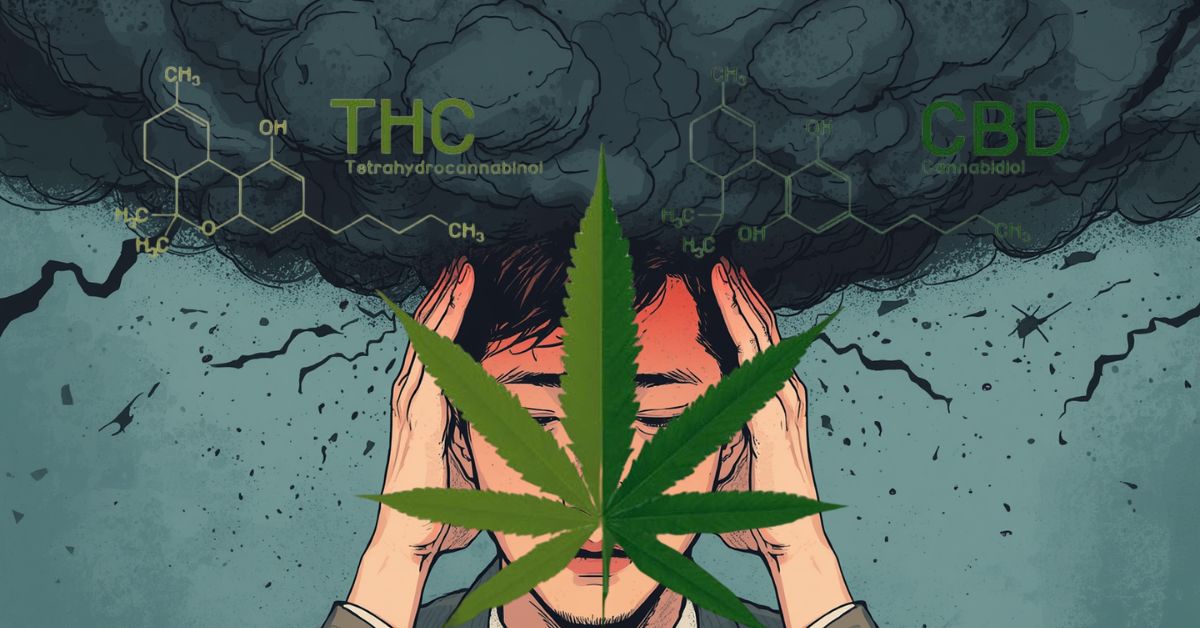
Cluster headaches are widely recognized as one of the most severe, excruciating neurological disorders known to medical science. Often described as a sharp, burning, or piercing sensation localized around one eye or temple, the pain of an attack can be entirely debilitating. Traditional abortive and preventive treatments work well for many individuals, offering crucial lifelines during an active cycle. However, these standard therapies do not provide complete relief for everyone, and some patients find themselves dealing with severe side effects or treatments that lose efficacy over time.
Because of these limitations, an increasing number of patients are looking toward cannabinoids, specifically cannabidiol (CBD) and tetrahydrocannabinol (THC), as complementary options. Exploring medical cannabis for cluster headaches has transitioned from anecdotal experimentation into a subject of emerging clinical interest. While cannabis and headache relief are frequently discussed in the context of more common conditions like migraines, its application to cluster attacks represents a distinct, targeted area of alternative pain management for cluster headaches.
It is important to emphasize that clinical research into cannabinoids for headaches is still evolving. While early patient surveys and pharmacological theories are promising, cannabis therapies should not replace professional medical advice or evidence-based treatments prescribed by a neurologist. Instead, they are best understood as potential tools within a broader, supervised natural pain management for cluster headaches paradigm.
If you’re looking to buy CBD oil India online, explore our premium range of hemp-derived CBD products.
What Are Cluster Headaches?
To understand how cannabis might offer relief, it is necessary to examine the unique nature of cluster headaches. Unlike tension headaches or standard migraines, a cluster headache is a distinct neurological condition classified under trigeminal autonomic cephalgias.
If you prefer an edible option, try our canna gummies for a convenient and flavorful way to enjoy cannabinoids.
Definition and Symptoms
A cluster headache is characterized by unilateral pain—meaning it affects only one side of the head during a cycle. The pain is consistently centered around the eye, above the eye, or along the temple. Accompanying autonomic symptoms are highly specific and occur on the same side as the pain. These can include:
- Redness and watering of the eye (conjunctival injection and lacrimation)
- Nasal congestion or a runny nose (rhinorrhea)
- Swelling or drooping of the eyelid (ptosis)
- Constriction of the pupil (miosis)
- Facial sweating and flushing
Pain Severity and Attack Duration
The intensity of a cluster attack is famously severe. In medical literature, they are frequently referred to as “suicide headaches” because the level of physical agony is so profound that it causes extreme emotional and psychological distress. Patients experiencing an attack are rarely able to lie still; they often pace the floor, rock back and forth, or press their heads against surfaces in a desperate bid to distract from the piercing pain. An individual attack can last anywhere from 15 minutes to three hours, and attacks can occur multiple times a day—often waking patients from deep sleep.
Episodic vs. Chronic Cluster Headaches
The condition presents itself in two primary clinical forms:
- Episodic Cluster Headaches: This is the most common form, affecting roughly 85% to 90% of patients. The attacks occur in distinct periods, known as “cluster periods” or cycles, which can last from several weeks to several months. These cycles are followed by periods of complete remission, where the patient remains completely pain-free for months or even years.
- Chronic Cluster Headaches: In chronic cases, the attacks occur regularly for more than a year without a remission period, or with remission periods that last less than a month. Managing chronic cluster attacks is exceptionally difficult, as the patient receives no prolonged relief from the physical toll of the disorder.
Common Triggers and Quality-of-Life Impact
During an active cluster period, the brain’s sensitivity is highly elevated, and specific triggers can instantly induce a severe attack. The most notorious trigger is alcohol; even a small sip can provoke an episode within minutes. Other common triggers include strong odors (such as perfume or gasoline), tobacco smoke, sudden changes in environmental temperature, and specific foods. The unpredictable, intense nature of these attacks destroys a patient’s quality of life, leading to job insecurity, social isolation, and significant mental health strains.
If you’re new to cannabinoid products, a CBD and THC combination can be a good place to start.
Why Are Cluster Headaches So Difficult to Treat?

The underlying reasons why traditional interventions often fall short lie within the highly complex mechanisms of the human brain. Treatment remains a challenge because medical science has yet to pinpoint a single, definitive cause for the condition.
Current neurological understanding points to an explicit dysfunction within the hypothalamus, the region of the brain responsible for regulating the internal biological clock and circadian rhythms. This explains why cluster periods are highly seasonal—often striking during the spring or autumn equinoxes—and why individual attacks consistently occur at the exact same times during the night, earning them the nickname “alarm clock headaches.”
When the hypothalamus malfunctions, it triggers the trigeminal nerve system, the primary pathway for pain signals in the face and head. The activation of the trigeminal nerve leads to the severe, boring pain behind the eye, while simultaneously overstimulating the autonomic nervous system, causing the characteristic tearing, eye drooping, and nasal congestion.
Because individual variability is massive, standard first-line treatments do not work universally. Acute attacks are typically treated with high-flow oxygen therapy or triptan injections. While effective, oxygen is bulky and difficult to use on the go, and triptans carry vasoconstrictive risks that make them unsuitable for patients with cardiovascular conditions. Preventive medications, such as verapamil or topiramate, can carry heavy cognitive and physical side effects. This gap in reliable, well-tolerated options is precisely why patients seek out complementary therapies like cbd oil for cluster headaches.
Looking for more options? Visit our online cannabis store to discover products for different wellness needs.
Understanding CBD and THC
To safely assess cannabis as a potential tool for cluster headache support, it is essential to separate the two main active compounds found within the plant: cannabidiol (CBD) and tetrahydrocannabinol (THC). These compounds belong to a class of chemicals called cannabinoids, which interact directly with the human body’s regulatory systems.
What Is CBD?
Cannabidiol, or CBD, is a non-intoxicating cannabinoid derived primarily from the industrial hemp variety of the cannabis plant. Unlike its counterpart THC, CBD will not produce a psychoactive “high.” Instead, it is valued for its systemic anti-inflammatory, neuroprotective, and anxiolytic (anxiety-reducing) properties. When exploring the best cbd for cluster headaches, users typically look for products that interact gently with the body’s natural regulatory systems to help modulate systemic inflammation and stress responses without altering cognitive function.
What Is THC?
Tetrahydrocannabinol, or THC, is the primary psychoactive cannabinoid found in medical cannabis for cluster headaches. It is responsible for the characteristic euphoria or altered mental state associated with marijuana use. From a medical standpoint, THC possesses profound pain-modulating capabilities. It acts directly on the central nervous system to alter how pain signals are perceived by the brain, making it a powerful component in advanced medical cannabis applications for chronic or treatment-resistant pain.
CBD vs. THC
When evaluating cbd vs thc for headaches, the two compounds offer vastly different profiles. CBD offers subtle, background regulatory support, acting as a mild anti-inflammatory agent with low risks of side effects. It is highly accessible and does not impair daily productivity. THC, conversely, delivers a stronger, direct impact on severe pain signaling but comes with the drawbacks of cognitive impairment, potential psychoactivity, and stricter legal restrictions.
Rather than choosing one over the other, many specialists focus on a cbd thc combination for pain. By utilizing both compounds simultaneously, patients may benefit from their distinct therapeutic actions while balancing out the unwanted side effects of high-THC products.
How CBD and THC May Help Cluster Headaches

The therapeutic potential of cannabinoids relies heavily on their ability to interface with the human body’s internal balancing architecture: the Endocannabinoid System (ECS).
Supporting the Endocannabinoid System
The ECS is a widespread network of cellular receptors, metabolic enzymes, and endogenous cannabinoids (endocannabinoids) produced naturally by our bodies. Its primary role is to maintain homeostasis—keeping functions like sleep, immune response, appetite, and pain perception balanced.
The system relies primarily on two types of receptors:
- CB1 Receptors: Found predominantly throughout the central nervous system, spinal cord, and brain—including high concentrations within the hypothalamus and the trigeminal nerve pathway.
- CB2 Receptors: Located mainly within the peripheral nervous system and immune cells, regulating inflammatory responses.
Emerging medical hypotheses suggest a link between the endocannabinoid system and headaches, proposing that a deficiency in natural endocannabinoid levels or a dysfunction in receptor sensitivity might lower the threshold for headache disorders, allowing cluster cycles to trigger more easily. By introducing plant-based cannabinoids like CBD and THC, patients may help stabilize this underlying system, providing support directly where pain signals originate.
Pain Perception and Nerve Signaling
When an attack occurs, the trigeminal nerve fires rapid, intense pain signals directly into the brain stem. THC binds directly to CB1 receptors in the central nervous system, effectively acting as a volume control knob that can reduce the intensity of incoming pain signals. Concurrently, CBD works to inhibit the breakdown of anandamide—our body’s natural “bliss” molecule—allowing it to circulate longer and naturally soothe hyperactive nerve pathways. Furthermore, both cannabinoids help reduce neurogenic inflammation around the cranial blood vessels, addressing the physical swelling that exacerbates a cluster headache attack.
Sleep Improvement
Because cluster attacks are closely tied to the body’s circadian clock, they regularly disrupt deep sleep stages, frequently striking during rapid eye movement (REM) cycles. This constant nocturnal interruption leaves patients chronically exhausted, which further destabilizes the hypothalamus and worsens the cycle. THC is known for its strong sedative qualities, helping patients fall asleep faster, while CBD supports overall sleep architecture by reducing nighttime restlessness and anxiety. Improving overall sleep quality provides the body with the recovery support it desperately needs to withstand a cluster period.
Anxiety Reduction
Living with an episodic or chronic cluster condition creates a state of continuous psychological tension known as anticipatory anxiety. Patients live in constant fear of the next attack, knowing how agonizing it will be. This chronic emotional stress keeps the sympathetic nervous system locked in a “fight-or-flight” state, raising cortisol levels and increasing muscle tension, which can act as secondary triggers. Cannabidiol is an effective tool for anxiety reduction, interacting with serotonin receptors in the brain to promote deep relaxation and lower emotional stress, helping calm the nervous system between attacks.
What Does Research Say?
While the theoretical framework for using cannabis for cluster headaches is strong, the current state of clinical evidence requires a balanced and objective evaluation.
To date, large-scale, double-blind, placebo-controlled randomized clinical trials—the gold standard of medical proof—are severely limited regarding cannabinoids for headaches, specifically for cluster variants. This scarcity is largely due to historical and ongoing legal restrictions surrounding cannabis research, alongside the rare nature of the disorder itself, making large participant cohorts difficult to assemble.
Instead, the bulk of our current evidence comes from small observational studies, patient surveys, and medical cannabis registry reports. For example, a notable retrospective survey published by headache advocacy groups evaluated cluster headache patients who used medical cannabis. The results were mixed but illuminating: a subset of patients reported that while cannabis use rarely stopped a full-blown attack once it reached peak intensity, it was highly valued for reducing the baseline severity of a cycle, improving sleep quality, and managing the debilitating side effects of prescription medications.
Medical researchers emphasize that cannabis should not be considered a cure for cluster headaches. Instead, current data points to its utility as a supportive, complementary tool that may help manage the broader symptoms of the disorder, reduce overall pain burden, and improve daily functioning when used appropriately under medical supervision.
CBD vs. THC for Cluster Headaches
To help visualize how these two primary cannabinoids differ in their potential application for cluster headache symptoms, consider the following comparison:
| Feature | CBD (Cannabidiol) | THC (Tetrahydrocannabinol) |
| Psychoactive Effects | No (Non-intoxicating) | Yes (Produces a “high”) |
| Pain Relief Potential | Moderate potential (Addresses inflammation and nerve sensitivity) | Stronger potential (Directly modulates central pain signals) |
| Anxiety & Stress | Consistently reduces anxiety and promotes relaxation | Mixed effects (Can calm at low doses; may cause paranoia at high doses) |
| Sleep Support | Supports sleep quality by reducing restlessness | Often stronger sedative effects; helps initiate sleep quickly |
| Common Side Effects | Mild (Dry mouth, light drowsiness, digestive changes) | More common (Dizziness, impaired coordination, dry mouth, increased heart rate) |
| Legal Status | Broadly accessible (Often hemp-derived with $<0.3\%$ THC) | Restrictive (Varies significantly by region; often requires a medical card) |
Legal Status Broadly accessible (Often hemp-derived with $<0.3\%$ THC) Restrictive (Varies significantly by region; often requires a medical card)
Potential Benefits
Integrating cannabinoids into a managed care plan offers several potential advantages for individuals struggling with cluster headache treatment alternatives:
- Multifunctional Pain Support: By targeting both central nerve signaling and peripheral neuro-inflammation, a combined approach addresses pain through multiple biological pathways simultaneously.
- Restoration of Sleep Architecture: Helping to minimize nocturnal awakenings allows the body to establish a more stable circadian rhythm, which is vital for managing hypothalamus-driven attacks.
- Systemic Stress Reduction: Lowering anticipatory anxiety helps break the psychological cycle of fear and physical tension that accompanies severe pain disorders.
- Enhanced Quality of Life: Better sleep and reduced stress can help individuals maintain employment, engage socially, and feel more in control of their daily lives.
- Reduction in Prescription Medication Burden: Under direct medical supervision, some patients find that incorporating cannabinoids allows them to safely lower their dosages of heavy preventive pharmaceuticals, thereby reducing unwanted side effects.
- Personalized Treatment Options: Cannabis products offer diverse delivery methods and customizable ratios, allowing individuals to fine-tune their regimens to fit their specific lifestyles and symptom patterns.
Possible Risks and Side Effects
No therapeutic substance is entirely without risks, and maintaining balanced information requires a transparent look at the potential side effects of both compounds.
CBD Side Effects
Cannabidiol is generally well-tolerated by the human body, even at high doses, but some users may experience:
- Dry Mouth: Often referred to as “cottonmouth,” caused by the inhibition of salivary secretion receptors.
- Drowsiness or Fatigue: Particularly when taken in higher amounts or paired with other sedating substances.
- Digestive Upset: Mild diarrhea or changes in appetite can occur, occasionally caused by the carrier oil (such as MCT oil) rather than the CBD itself.
- Drug Interactions: CBD can inhibit the cytochrome P450 enzyme system in the liver, which is responsible for metabolizing many common pharmaceuticals. This can alter the concentration of prescription medications in your bloodstream, making professional medical guidance absolutely essential.
THC Side Effects
Because of its psychoactive nature, THC carries a more pronounced side effect profile, which can include:
- Dizziness and Impaired Coordination: Altered spatial awareness and slower reaction times, making activities like driving unsafe while medicated.
- Anxiety and Paranoia: While low doses can relax, high amounts of THC can overstimulate CB1 receptors in the amygdala, leading to increased anxiety or panic attacks.
- Memory and Cognitive Changes: Short-term memory impairment and temporary difficulties with complex cognitive tasks during use.
- Increased Heart Rate: Tachycardia can occur shortly after consumption, which requires caution for anyone with an underlying cardiovascular condition.
Different Ways to Use CBD and THC
The method chosen to consume cannabinoids significantly impacts how quickly the compounds enter the bloodstream, how long their effects last, and how they interact with headache symptoms.
Oils and Tinctures
Administered sublingually by holding the liquid under the tongue for 60 to 90 seconds before swallowing.
- Pros: Relatively fast onset (15 to 45 minutes) as cannabinoids absorb directly through the mucous membranes; easy to measure and adjust doses precisely using a dropper; long-lasting background relief (4 to 6 hours).
- Cons: The natural, earthy taste of unflavored cannabis extracts can be unappealing to some users; sublingual holding requires patience during periods of discomfort.
Capsules and Softgels
Swallowed directly and processed through the digestive tract and liver, much like traditional supplements.
- Pros: Discrete, familiar, and highly convenient format; provides an exact, pre-measured dose per serving; delivers a slow, sustained release that is useful for overnight prevention.
- Cons: Delayed onset of effects, taking anywhere from 1 to 2 hours to become active; lower bioavailability, as a portion of the cannabinoids is broken down by the liver before entering systemic circulation.
Edibles (Gummies and Baked Goods)
Ingested food products infused with specific cannabinoid extracts, such as cbd gummies for migraine relief.
- Pros: Highly palatable and easy to consume without any herbal taste; offers a highly discrete option for public use; provides prolonged systemic effects lasting up to 8 hours.
- Cons: Extremely slow onset times make them entirely ineffective for stopping an acute, fast-moving cluster attack; absorption can be highly unpredictable depending on recent food intake and individual metabolic rates.
Vaporized Products
Inhaled using specialized vaporization hardware that heats extracts or flower to a precise temperature without combustion.
- Pros: Near-instantaneous onset of action (1 to 3 minutes), as cannabinoids pass directly from the lungs into the bloodstream; highly efficient option for trying to manage early warning signs of an approaching headache.
- Cons: Shorter duration of action, requiring more frequent dosing for sustained relief; potential risks to lung health and respiratory irritation; requires specialized hardware and regular maintenance.
Medical Cannabis Prescription Products
In regions with formalized medical programs, patients can access regulated, pharmaceutical-grade products manufactured to strict standards.
- Pros: Offers absolute consistency in dosing, clean formulations free from heavy metals, and clear labeling of exact cannabinoid ratios.
- Cons: Often requires formal physician registry enrollment, recurring medical cards, and specialized dispensary visits; usually carries a higher cost than over-the-counter options.
Dosage Considerations
Determining an effective dosage for cannabinoids is a highly individualized process. Because everyone’s endocannabinoid system is unique, there is no universal, one-size-fits-all dosage chart for managing headache symptoms.
The fundamental rule for navigating cannabinoid dosing is to start low and go slow. Patients are advised to begin with a very minimal amount—such as 5 to 10 milligrams of CBD—and maintain that baseline for several days to observe how their body responds. If necessary, the amount can be increased gradually in small increments over weeks.
Individual response varies wildly based on an array of physiological factors, including:
- Body Weight and Composition: Lipid-soluble cannabinoids store themselves in fat tissue, meaning metabolic rates and body mass affect processing times.
- Product Potency: The concentration of cannabinoids per milliliter or serving dictates how much physical product is required.
- Prior Tolerance: Regular exposure to cannabis products alters receptor sensitivity over time, requiring different amounts for therapeutic effect.
Because exact dosage recommendations cannot be safely generalized, keeping a detailed symptom journal—tracking dates, times, dosages, delivery methods, and symptom changes—is an invaluable strategy to share with a healthcare professional during regular checkups.
Can CBD and THC Be Used Together?
One of the most compelling concepts in modern cannabinoid science is the entourage effect. This theory proposes that the diverse compounds within the cannabis plant—including cannabinoids, flavonoids, and aromatic terpenes—work synergistically when consumed together, creating a therapeutic impact that is greater than the sum of its isolated parts.
[ CBD Extract Only ] ──────► Isolated Anti-inflammatory Pathway
[ THC Extract Only ] ──────► Isolated Central Pain Pathway
[ CBD + THC + Terpenes Combined ] ──────► Multi-Targeted “Entourage Effect” Relief
When considering a cbd thc combination for pain, balanced formulations (such as a 1:1 or 2:1 CBD-to-THC ratio) are often preferred. In these balanced blends, CBD works to modulate the CB1 receptors, helping to mitigate the intense psychoactivity, racing thoughts, or paranoia that high amounts of THC might otherwise induce. This allows patients to utilize the stronger, direct pain-modulating benefits of THC safely and comfortably during daytime or nighttime hours.
Because individual tolerance and sensitivity vary extensively, finding the right ratio requires careful experimentation under the guidance of a knowledgeable healthcare provider who can help tailormake a protocol for your specific symptoms.
Legal Considerations
Navigating the legal landscape surrounding cannabis products can be incredibly confusing, as laws vary significantly depending on your country, state, or territory.
In many jurisdictions, industrial hemp-derived products containing less than 0.3% THC are legal to purchase over the counter as wellness supplements. However, products containing higher, therapeutic levels of THC remain strictly regulated under medical cannabis legislation. Accessing these options often requires a formal diagnosis from a registered physician, enrollment in a state-level medical registry, and procurement through licensed dispensaries.
Beyond legal access, product quality is a major concern in an under-regulated market. It is vital to seek out manufacturers that provide an easily accessible Certificate of Analysis (COA) for every product batch. A COA confirms that the item has undergone rigorous, independent third-party lab testing, verifying its true cannabinoid content and ensuring it is completely free from dangerous contaminants like residual solvents, heavy metals, pesticides, and mold.
Tips for Choosing a High-Quality Product
To ensure you are selecting safe, reliable, and compliant options, use this practical checklist before making a purchase:
- Third-Party Lab Tested: Confirm the product has been verified by an independent, accredited laboratory.
- COA Available: Ensure you can view the actual batch report via a QR code or the manufacturer’s website.
- Transparent Ingredients: The label should clearly list all carrier oils, natural flavorings, and exact cannabinoid amounts.
- Reputable Manufacturer: Look for established brands with positive customer feedback and transparent sourcing practices.
- Accurate Cannabinoid Content: Verify that the milligram strength listed on the front of the bottle matches the laboratory breakdown inside the report.
- Free from Contaminants: Confirm the batch passed all safety screens for heavy metals, pesticides, and microbial growth.
- Compliant with Local Regulations: Ensure the product meets the specific legal definitions and THC thresholds of your geographic region.
Lifestyle Strategies That May Help Alongside Treatment

Managing a severe neurological condition requires a holistic, multifaceted approach. Cannabinoid options work best when integrated into a lifestyle structured to minimize triggers and support overall nervous system health.
Consistent Sleep Schedules
Because cluster cycles are intrinsically linked to hypothalamus function, keeping an incredibly strict sleep-wake schedule is imperative. Going to bed and waking up at the exact same time every single day—even on weekends—helps stabilize your internal biological clock, potentially reducing the frequency of nocturnal attacks.
Trigger Tracking and Stress Management
Maintaining a detailed headache diary helps isolate specific environmental triggers, such as particular foods, intense smells, or sudden temperature changes, allowing you to proactively avoid them during an active cycle. Incorporating daily stress-reduction practices like deep diaphragmatic breathing, meditation, or gentle yoga can help lower chronic autonomic nervous system activity.
Hydration and Physical Wellness
Dehydration can compromise vascular health and increase baseline physiological stress. Drinking adequate water throughout the day is a simple yet crucial layer of support. Additionally, eliminating alcohol entirely during active cluster periods is non-negotiable, as it is an immediate trigger for agonizing episodes. Always prioritize your primary, evidence-based medical treatments, using natural and alternative approaches as supportive components under professional guidance.
Final Thoughts
Navigating a life disrupted by cluster headaches requires immense resilience, comprehensive support, and access to effective care tools. Both CBD and THC show genuine therapeutic promise as complementary options within a modern, multi-layered pain management strategy, thanks to their intricate relationship with the human body’s endocannabinoid system.
While current observational evidence and patient reports are highly encouraging, it is vital to remember that clinical research is still unfolding. These plant-derived compounds should always be viewed as supportive additions to—rather than replacements for—established, evidence-based neurological treatments. By prioritizing premium, third-party tested products, maintaining an accurate symptom diary, and working in close partnership with a trusted healthcare professional, you can safely explore whether cannabinoids offer a viable path toward reclaiming your comfort, improving your sleep, and enhancing your overall quality of life.
FAQs
Can CBD stop a cluster headache attack?
No, it is highly unlikely that CBD alone can abort an active, full-blown cluster headache attack. Cluster attacks escalate to maximum, excruciating intensity within minutes. CBD works through gradual, systemic pathways to lower inflammation and calm nerve sensitivity, making it better suited for long-term baseline support rather than immediate acute relief.
Is THC better than CBD for headache pain?
For the severe, acute nerve pain characteristic of a cluster attack, THC possesses significantly stronger direct analgesic (pain-relieving) properties due to its ability to bind directly to central nervous system receptors. However, many find that using both compounds together provides the most balanced relief.
Can CBD replace prescription medication?
No, CBD should never be used as an unguided replacement for proven preventive or abortive prescription treatments. Cluster headaches are an exceptionally severe medical condition. Any changes, reductions, or additions to your medication regimen must be developed and supervised by a qualified neurologist.
Is medical cannabis legal for cluster headaches?
Legal status is entirely dependent on your local laws. Some regions include cluster headaches or intractable chronic pain as qualifying conditions for a medical cannabis prescription, while others restrict THC entirely. Always consult your local statutes and a licensed physician to confirm compliance.
Are there side effects?
Yes, both compounds carry potential side effects. CBD can cause mild dry mouth, drowsiness, or drug interactions. THC can cause cognitive impairment, changes in coordination, increased heart rate, or mild anxiety at higher doses.
Can CBD and THC be used together?
Yes. Utilizing them together activates the “entourage effect,” where CBD can help maximize the therapeutic benefits of the plant while naturally tempering the unwanted psychoactive side effects of THC.
How long does it take to work?
Onset time depends entirely on the delivery method. Inhaled vaporized products act within 1 to 3 minutes; sublingual oils take 15 to 45 minutes; while oral capsules and edibles can take anywhere from 1 to 2 hours to become active in the body.
Is cannabis safe for long-term use?
When managed responsibly under medical supervision, many patients use cannabinoids long-term without serious adverse effects. However, long-term use can build tolerance, meaning higher doses may be needed over time to achieve the same therapeutic effects. Regular check-ins with your healthcare provider are recommended.