

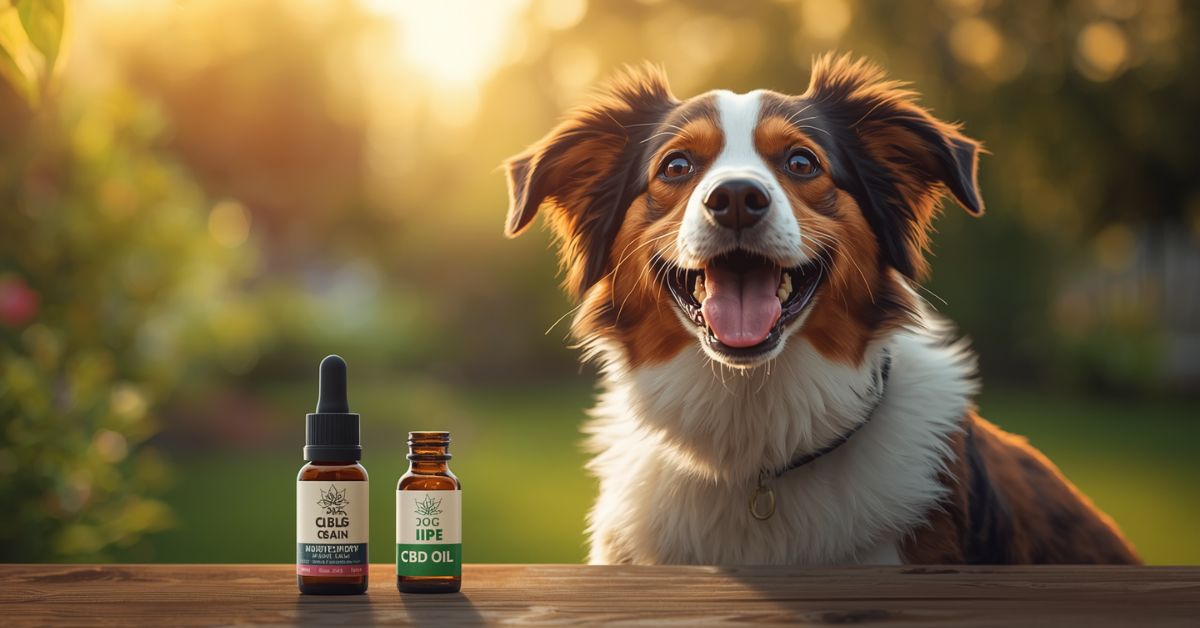
Receiving a cancer diagnosis for a beloved pet is one of the most heartbreaking experiences a pet owner can face. Cancer is one of the most common health challenges in older dogs, affecting millions of families each year. When faced with this difficult news, conventional treatments may include surgery, chemotherapy, radiation, and heavy pain medications. While these treatments are vital for attacking the disease, they often come with significant side effects that can impact a dog’s day-to-day happiness.
Because of this, many pet owners are exploring CBD as a complementary wellness option to help their furry companions handle the challenges of chronic illness. It is absolutely crucial to understand from the outset that CBD is not a cure for cancer and should never replace veterinary treatment. Instead, it serves as a supportive care option to help manage symptoms and treatment side effects.
In this comprehensive guide, we will explain exactly what CBD is, explore the possible benefits for canine comfort, examine safety considerations, look into proper dosage, and discuss how to choose quality products. By looking closely at options like specialized magiccann cbd oil for dogs, we aim to empower you with the knowledge needed to give your companion the best possible care.
If you’re looking for trusted wellness products, explore our CBD for Pets collection for high-quality options.
Understanding Cancer in Dogs
Canine cancer occurs when abnormal cells grow uncontrollably, invading surrounding tissues and sometimes spreading to other areas of the body. Just like humans, dogs can develop a wide variety of malignancies. It is a widespread condition, particularly as our canine companions live longer lives due to advancements in veterinary medicine.
Common Types of Cancer in Dogs
- Lymphoma: A cancer of the lymphatic system, which is part of the immune system. It commonly causes swollen lymph nodes throughout the body.
- Mast Cell Tumors: The most common skin cancer in dogs. These tumors can vary greatly in appearance, sometimes looking like simple warts or fatty lumps.
- Osteosarcoma: A highly aggressive bone cancer that most commonly affects large and giant breed senior dogs.
- Hemangiosarcoma: A rapid, painful cancer of the blood vessels, frequently developing in the spleen or heart.
- Mammary Tumors: Tumors that develop in the mammary glands, which are significantly more common in unspayed female dogs.
You can buy CBD oil in India from our carefully selected range of premium products.
Risk Factors and Early Warning Signs
While genetics and aging play massive roles in the development of cancer, environmental factors can also contribute. Recognizing dog cancer symptoms early can dramatically alter the prognosis and treatment success.
Pet owners should keep a close eye out for classic warning signs, which include localized pain, noticeable limping, abnormal swelling or lumps that grow over time, rapid unexplained weight loss, a sudden appetite loss, persistent fatigue, frequent vomiting, and localized breathing difficulty. If you notice these symptoms, a veterinary evaluation should be scheduled immediately.
Looking for a convenient alternative to oils? Check out our canna gummies range.
What Is CBD?
CBD, or cannabidiol, is a natural compound found in the cannabis plant. For pet products, CBD is usually extracted from the flowers, leaves, and stalks of hemp plants because these parts contain the highest levels of beneficial cannabinoids.
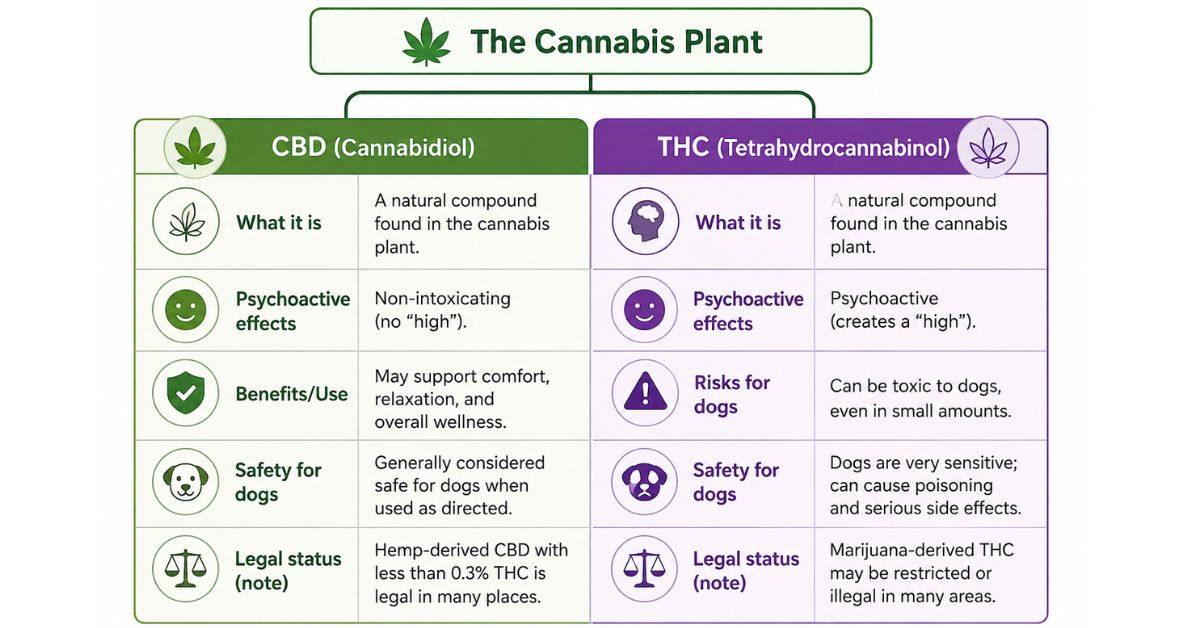
CBD and THC are two different compounds found in cannabis, and it’s important to know the difference.
CBD does not produce a “high” and is commonly used in hemp-based wellness products for both people and pets. In contrast, THC is the psychoactive compound in marijuana that causes intoxication.
Dogs are much more sensitive to THC than humans because they have a higher number of cannabinoid receptors in their brains. Even a small amount of THC can cause poisoning, leading to symptoms such as confusion, poor coordination, excessive sleepiness, vomiting, or loss of balance.
For this reason, when people talk about CBD oil for dogs with cancer, CBD for dogs with cancer, or cannabis oil for dogs with cancer, they should be referring only to hemp-derived CBD products that contain very little or no THC.
In many countries and regions, legal hemp-derived CBD products contain less than 0.3% THC. Always choose a high-quality product made specifically for pets, and speak with your veterinarian before giving CBD to a dog, especially if your dog has cancer or is taking other medications.
Visit Cannastore India to discover high-quality cannabis wellness solutions for your lifestyle.
How CBD Works in Dogs
To understand how CBD oil for dog cancer works, we must look at the canine endocannabinoid system (ECS). Every mammal possesses an ECS, which acts as a vast regulatory network responsible for keeping the body in a state of balance, or homeostasis.
The ECS relies on a complex web of receptor interactions, primarily involving two main types of receptors:
- CB1 Receptors: Located mostly in the brain and central nervous system. They influence mood, pain signaling, and cognitive function.
- CB2 Receptors: Found heavily in the peripheral organs, immune function cells, and gastrointestinal tract. They play a critical role in managing inflammation and immune response.
When a dog’s body is fighting a disease like cancer, the ECS can become overwhelmed. While CBD does not bind directly to these receptors the way THC does, it exerts indirect effects on the system. It helps inhibit the breakdown of the dog’s own endocannabinoids, allowing the body to use its natural regulatory defenses more effectively. By modulating these pathways, CBD helps regulate chronic pain in dogs, reduces systemic inflammation, balances mood, and stimulates a failing appetite.
Can CBD Help Dogs with Cancer?

When looking into a cbd cancer treatment for dogs, pet owners must remember to avoid saying CBD treats cancer directly. There is no definitive clinical evidence proving that CBD destroys tumors in living animals. Instead, the focus must always remain firmly on supportive care and enhancing the quality of life in dogs facing a terminal or taxing illness.
Here is a breakdown of how full-spectrum CBD for dogs can provide natural support for dogs with cancer:
Pain Management
Cancer often causes severe inflammatory pain and chronic discomfort, particularly if tumors press against nerves, organs, or bone tissue. By interacting with the ECS and vanilloid receptors (which detect pain), CBD can help dull these sharp signals, offering much-needed mobility support to stiff, aching senior dogs.
Appetite Support
A reduced appetite is incredibly common in dogs battling cancer. This may be caused by the disease itself, or it can be a side effect of chemotherapy. By interacting with CB1 receptors that influence hunger, CBD oil for dogs can help re-ignite interest in food, allowing your dog to maintain the nutrition they need to stay strong.
Nausea Support
Nausea and gastrointestinal distress can quickly lead to wasting and weakness, especially during chemotherapy. CBD works closely with serotonin receptors in the brain to help keep nausea under control, making it easier for your pet to keep food down.
Anxiety Reduction
Dogs are highly perceptive animals. They can easily become anxious due to frequent vet visits, painful treatments, general physical discomfort, and sudden routine changes. CBD acts as a gentle, non-sedating calmer, easing anxiety in dogs and helping them feel safe in their home environment.
Better Sleep and Relaxation
When a dog is in pain, peaceful rest becomes elusive. The natural calming effects of hemp oil for dogs with cancer promote deep relaxation, allowing your pet’s body to enter the restorative sleep cycles necessary for healing and comfort.
Improved Quality of Life
Ultimately, the primary goal of integrating CBD for dogs cancer regimens is to maximize comfort rather than look for an unproven cure. Keeping your dog comfortable, happy, and able to enjoy short walks or tail-wags is the ultimate definition of successful cancer supportive care.
What Does Research Say?
The scientific community’s interest in cbd oil for dogs with cancer has surged over the past decade, though evidence is still evolving. Current evidence is built primarily on animal studies, laboratory studies, and a handful of small veterinary studies conducted by leading universities.
For instance, clinical trials at Cornell University and Colorado State University have demonstrated that high-quality CBD oil can significantly reduce discomfort and improve mobility in dogs suffering from osteoarthritis. Because osteosarcoma and other cancers cause similar inflammatory pain pathways, researchers draw a strong parallel to cancer-related pain.
In laboratory settings, scientists have observed that certain cannabinoids can inhibit the growth of specific cancer cells in test tubes. However, translating test-tube success into a living, breathing canine body is incredibly complex. Because full-scale clinical trials specifically tracking CBD for canine cancer are still in their infancy, pet owners should avoid overstating conclusions. View it as a valuable, complementary tool in your pet wellness toolkit, rather than a standalone medical solution.
Is CBD Safe for Dogs?
A primary concern for any pet parent is: Is CBD safe for dogs? The short answer is that CBD is generally well tolerated by our canine companions, provided it is administered using high-quality products under proper veterinarian guidance and correct dosage.
However, like any supplement, it can cause mild side effects. It is important to watch for:
- Drowsiness or temporary lethargy: If the dose is slightly high, your dog may sleep more than usual.
- Dry mouth: CBD can temporarily reduce saliva production, leading to increased thirst.
- Diarrhea and vomiting: Usually caused by introducing the carrier oil (like coconut or hemp seed oil) too quickly to a sensitive stomach.
- Lowered blood pressure: A temporary drop can occur with higher doses, causing brief lightheadedness.
The most substantial safety risk stems from accidental THC toxicity. Ensure that any product you select is explicitly designed for pets and certified to contain non-detectable or negligible levels of THC.
CBD and Cancer Treatments
If your dog is currently undergoing conventional medical treatments, you must carefully evaluate how CBD interacts with chemotherapy, steroids, NSAIDs, and prescription pain medications.
The liver relies on a specific pathway—the cytochrome P450 enzyme system—to metabolize the vast majority of prescription drugs. CBD temporarily inhibits this exact enzyme system. When CBD and a chemotherapy drug are processed at the same time, CBD may affect the metabolism of some medications. This can cause the prescription drugs to stay in your dog’s system longer, potentially intensifying their side effects or altering their therapeutic impact.
Crucial Care Step: Always consult a veterinarian before adding CBD to a dog’s routine if they are actively undergoing chemotherapy or taking daily prescription medications. A professional can help space out doses safely to prevent liver strain.
Choosing the Right CBD Product

The pet supplement market can be difficult to navigate. To find the best CBD for dogs, you need to understand the fundamental differences in product formulations.
- Full-Spectrum CBD: Contains CBD alongside a full range of other beneficial cannabinoids, flavonoids, and terpenes found in the hemp plant. These elements work together synergetically in what scientists call the “entourage effect,” making it highly effective for severe chronic discomfort. It contains a legally compliant, trace amount of THC (under 0.3%).
- Broad-Spectrum CBD: Contains a wide array of cannabinoids and terpenes but undergoes a specialized filtration process to ensure it is entirely THC-free. This is an excellent, safe middle ground for extra peace of mind.
- CBD Isolate: Pure, isolated CBD with zero other cannabinoids or plant compounds. While safe, it lacks the enhanced therapeutic power of full or broad-spectrum options.
When searching for reliable brands, such as magiccann cbd oil for dogs, always vet the manufacturer using the following quality checklist:
Quality Checklist for Pet CBD
- Third-Party Testing: Never buy a product unless the company provides independent laboratory testing results.
- COA (Certificate of Analysis): A verified COA proves the exact batch matches the cannabinoid profile on the label and confirms the product is free from heavy metals, pesticides, and mold.
- Organic Hemp: Ensure the hemp is grown organically, as the hemp plant naturally absorbs toxins from the soil it is planted in.
- Extraction Method: Look for supercritical $CO_2$ extraction, which safely removes cannabinoids without using toxic chemical solvents like butane or ethanol.
- Ingredients: Keep it simple. The product should contain only pure CBD extract and a safe carrier oil (like MCT oil or hemp seed oil), without artificial preservatives.
- Pet-Specific Formulations: Never give your dog human CBD products, which may contain artificial sweeteners like xylitol that are deadly to dogs.
CBD Oil vs. CBD Treats
When selecting a product, you will generally choose between liquid sublingual oils and infused edible treats. Both options have unique advantages and disadvantages.
| Product Type | Pros | Cons | Best Used For |
| CBD Oil |
• Highly adjustable dosage down to the drop.
• Faster absorption when applied to gums.
• Fewer added ingredients. |
• Can have a strong, earthy hemp taste.
• Requires steady hands to measure drops. |
Dogs requiring precise therapeutic adjustments and fast-acting relief. |
| CBD Treats |
• Convenient and mess-free.
• Extremely easy administration.
• Masked by enticing flavors (beef, chicken). |
• Fixed dosage per treat makes adjustments harder.
• Slower absorption via digestion. |
Dogs with sensitive mouths or those who reject liquid oils completely. |
How Much CBD Should Dogs Take?
There is no single CBD dose that works for every dog. The right amount depends on your dog’s size, age, overall health, and the condition being managed.
Several factors can affect the ideal dosage:
| Factor | Why It Matters |
|---|---|
| Weight and size | Larger dogs usually need more CBD than smaller dogs. |
| Age | Senior dogs may process CBD more slowly, so it’s best to introduce it gradually. |
| Overall health | Dogs with liver or kidney problems may need extra monitoring and guidance from a veterinarian. |
| Cancer stage and symptoms | Dogs with severe pain or discomfort may have different needs than those with mild symptoms. |
Because every dog is different, it’s important not to guess the dosage or rely on general recommendations alone. Always speak with your veterinarian before giving CBD to a dog with cancer, especially if your pet is taking other medications or receiving cancer treatment.
A common approach is to start with a low dose and increase it slowly.
Many veterinarians recommend beginning with approximately 0.1 to 0.2 mg of CBD per kilogram (kg) of body weight, given once or twice a day. Keep the dose the same for 5 to 7 days while watching your dog closely for any changes in comfort, appetite, energy level, or behavior.
If your dog is tolerating the CBD well but still needs additional support, your veterinarian may recommend increasing the dose gradually until the desired effect is achieved. This slow approach helps you find the lowest effective dose while reducing the risk of unwanted side effects.
When Should You Avoid CBD?
While CBD is an incredibly useful supportive care tool, there are specific situations where it should be strictly avoided or paused:
- Pregnant or Nursing Dogs: There is insufficient safety data regarding the impact of cannabinoids on developing puppies.
- Severe Liver Disease: If a dog’s liver is failing, it cannot efficiently break down the cannabinoids, leading to dangerous accumulation and strain.
- Unknown Ingredients: Avoid cheap, unbranded products found on online marketplaces that lack clear ingredient lists.
- Products Containing High THC: Never give your pet products intended for adult human recreational use.
- Without Veterinarian Supervision: If your dog is on complex multi-drug regimens, avoiding professional oversight can lead to dangerous drug interactions.
Tips for Pet Owners
To make your pet’s journey with supportive supplements as smooth and safe as possible, keep this handy checklist in mind:
- Buy pet-specific CBD: Keep human formulations far away from your dog to avoid toxic ingredients like xylitol or high THC concentrations.
- Read lab reports meticulously: Ensure the batch number on your product bottle matches a valid, passing COA on the manufacturer’s website.
- Start with a low amount: Protect your dog’s digestive system by building up their tolerance gradually over several weeks.
- Monitor your dog closely: Watch for changes in posture, energy levels, tail-wags, and ease of getting up after a rest.
- Keep a symptom journal: Track the date, time, dosage size, and your dog’s daily comfort levels. This data is invaluable for finding the sweet spot for dosage.
- Follow veterinary guidance: Keep your vet completely informed about every supplement or oil you introduce to your pet’s routine.
- Store products safely: Keep bottles and tasty treats safely tucked away in a cool, dark cupboard out of reach of curious paws.
Conclusion
Navigating a pet’s cancer diagnosis is incredibly challenging, but you do not have to look for answers empty-handed. While CBD is absolutely not a treatment or cure for cancer, it can serve as a gentle, natural way to support comfort, mobility, appetite, relaxation, and overall quality of life for dogs facing this tough battle.
By prioritizing high-quality, third-party tested CBD products designed specifically for pets and working hand-in-hand with your trusted veterinarian, you can ensure your dog’s golden days are filled with peace, comfort, and relief.
FAQs
Can CBD cure cancer in dogs?
No. CBD cannot cure, shrink, or eliminate cancer in dogs. Anyone claiming that cannabis oil cures canine tumors is spreading dangerous misinformation. CBD should be used strictly to provide comfort, pain relief, and appetite support alongside your vet’s medical care plan.
Is CBD legal for pets?
In many regions, including the United States, hemp-derived CBD products containing less than 0.3% THC are completely legal to purchase and use for pets. However, laws vary internationally, so it is always a good idea to verify your local regulations regarding hemp-derived supplements.
Can dogs take CBD during chemotherapy?
Dogs can potentially use CBD during chemotherapy, but it requires extreme caution. Because CBD interacts with liver enzymes responsible for breaking down chemo drugs, it can alter how medication functions. Always clear it with your veterinary oncologist first.
How long does CBD take to work?
When using liquid CBD oil absorbed through the gums, you will often notice improvements within 30 to 45 minutes. When administered via infused treats, it must pass through the digestive system first, which typically takes between 1 to 2 hours to show effects.
Can senior dogs safely use CBD?
Yes, senior dogs can use CBD safely, and they are often the ones who benefit the most from its mobility and discomfort-relieving properties. However, because older dogs frequently have underlying liver or kidney weaknesses, you should start with very small doses and monitor them closely.
What is the best CBD oil for dogs?
The best CBD oil is one that is organically grown, extracted via clean $CO_2$ methods, completely free of harmful contaminants, and backed by an easily accessible, up-to-date Certificate of Analysis (COA). Look for dedicated pet wellness brands that focus entirely on safe, animal-friendly formulations.
Are CBD treats as effective as oil?
Yes, they are effective, but they work differently. Treats take longer to kick in because they must be digested, and a small percentage of the CBD is lost during digestion. Liquid oil given directly into the mouth provides faster and more potent absorption.
Can CBD improve appetite?
Yes, CBD is highly regarded for its ability to reduce nausea and interact with receptors that regulate hunger. This makes it an excellent option for dogs that have lost their appetite due to illness or intense medical treatments.