


Autoimmune diseases affect millions of people globally, which cause chronic inflammation, pain, fatigue, and organ damage. As more individuals seek natural alternatives or complementary therapies, interest in The Use of CBD for Autoimmune Diseases has grown rapidly. But what does science really say? Does CBD help the immune system—or suppress it? And is it safe for long-term use?
In this comprehensive guide, we’ll explore how CBD interacts with the immune system, potential benefits for autoimmune conditions, possible risks, and what current research reveals.
If you’re considering cannabinoid therapy, choosing a high-quality cannabis oil can make a significant difference in results.
Understanding Autoimmune Diseases
When the immune system malfunctions, an autoimmune illness develops mistakenly attacks healthy cells, tissues, or organs. Instead of protecting the body from infections, the immune system becomes overactive or misdirected.
For those who prefer a tasty and convenient option, canna gummies offer an easy way to incorporate cannabinoids into your routine.
Common autoimmune conditions include:
- Rheumatoid arthritis
- Multiple sclerosis
- Lupus
- Crohn’s disease
- Hashimoto’s thyroiditis
- Psoriasis
Symptoms vary but often include:
- Chronic inflammation
- Joint pain and stiffness
- Digestive problems
- Fatigue
- Skin rashes
- Neurological issues
Traditional treatments often involve immunosuppressants, corticosteroids, and biologics. While effective for many patients, these medications can have significant side effects. This is where interest in CBD oil for autoimmune conditions enters the conversation.
Some individuals with chronic conditions explore rso oil due to its high cannabinoid concentration.
What Is CBD?
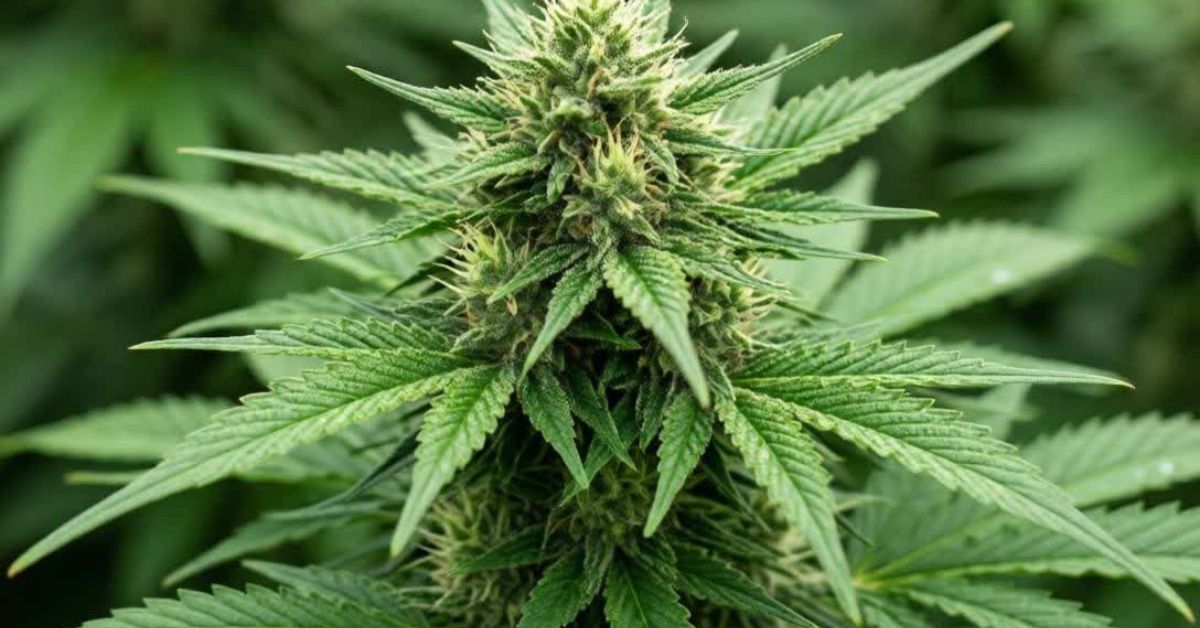
The non-psychoactive substance known as cannabidiol (CBD) is extracted from the Cannabis sativa plant. Unlike Tetrahydrocannabinol (THC), CBD does not produce a “high.”
CBD interacts with the body’s endocannabinoid system (ECS)—a regulatory network that helps maintain balance (homeostasis) in processes such as:
- Immune response
- Inflammation
- Pain perception
- Mood
- Sleep
Because autoimmune disorders involve immune dysregulation and inflammation, researchers are looking into the connection between CBD and autoimmune conditions more closely.
CBD and the Immune System: How It Works
A common question is: does CBD help immune system function—or weaken it?
To answer this, we need to understand that CBD is not a simple “immune booster.” In fact, calling it a CBD immune booster can be misleading.
What Does CBD Do to Your Immune System?
CBD primarily acts as an immunomodulator, meaning it may help regulate immune activity rather than simply stimulate it.
Research suggests CBD can:
- Reduce the production of pro-inflammatory cytokines
- Influence T-cell function
- Modulate macrophage activity
- Interact with CB2 receptors (primarily found in immune cells)
So if you’re wondering, “what does CBD do to your immune system?”—the short answer is that it may help calm an overactive immune response, which is exactly what happens in autoimmune disorders.
Does CBD Help Your Immune System in Autoimmune Disease?
The question “does CBD help your immune system?” depends on context.
In infections, you may want a stronger immune response. In autoimmune disease, the immune system is already too aggressive. In this case, reducing inflammation and overactivity can be beneficial.
Emerging studies indicate that CBD for immune system regulation may help:
- Reduce chronic inflammation
- Lower autoimmune flare intensity
- Decrease pain associated with inflammation
- Improve sleep and stress resilience
While research is ongoing, early findings show promise for patients seeking complementary support.
Potential Benefits of CBD for Autoimmune Disorders

Let’s explore the key benefits associated with cbd oil for autoimmune conditions.
1. Anti-Inflammatory Effects
Chronic inflammation is the hallmark of autoimmune disease. CBD has demonstrated anti-inflammatory properties in both animal and early human studies.
By influencing inflammatory mediators and immune cell signaling, CBD may help reduce:
- Joint swelling
- Tissue inflammation
- Digestive tract irritation
- Skin inflammation
This is especially important for diseases like Crohn’s disease and rheumatoid arthritis.
2. Pain Relief
Autoimmune disorders often involve persistent pain. CBD interacts with pain receptors (including TRPV1 receptors), potentially reducing:
- Neuropathic pain
- Inflammatory pain
- Muscle stiffness
Patients with Multiple sclerosis, for example, may experience spasticity and nerve pain that could respond to cannabinoids.
3. Stress and Anxiety Reduction
Stress can trigger autoimmune flares. CBD’s anxiolytic properties have been investigated, which may indirectly benefit autoimmune patients by:
- Lowering cortisol levels
- Improving sleep quality
- Supporting mood balance
Better stress management can translate to fewer symptom flare-ups.
4. Sleep Improvement
Poor sleep worsens inflammation and immune dysfunction. CBD may improve sleep by:
- Reducing anxiety
- Decreasing nighttime pain
- Supporting circadian rhythm balance
For autoimmune patients, improved sleep can be a significant quality-of-life improvement.
What Does Science Say About CBD and Autoimmune Conditions?
Although interest in The Use of CBD for Autoimmune Diseases is high, clinical research is still evolving.
Preclinical Research
Animal models suggest CBD may:
- Reduce inflammatory markers
- Suppress autoimmune responses
- Protect nerve cells
Studies in models of Multiple sclerosis and Rheumatoid arthritis show promising anti-inflammatory effects.
Human Studies
Human trials are more limited but growing. Some findings include:
- Improved pain scores
- Reduced disease activity in certain inflammatory conditions
- Better sleep and quality of life
However, most studies are small-scale. More large, long-term randomized clinical trials are needed.
Is CBD an Immune Booster?
Many people search for “CBD immune booster,” but the term is inaccurate.
CBD does not “boost” the immune system in the traditional sense. Instead, it helps regulate immune balance.
For autoimmune disease, immune suppression—not stimulation—is often beneficial. Therefore, CBD’s immunomodulatory properties may be more helpful than immune-boosting supplements.
Risks and Side Effects of CBD
While generally considered safe, CBD is not risk-free.
Common Side Effects
- Fatigue
- Dry mouth
- Diarrhea
- Changes in appetite
Drug Interactions
CBD may interact with drugs that are broken down by the liver‘s CYP450 enzymes, such as:
- Immunosuppressants
- Blood thinners
- Steroids
If you are taking medication for autoimmune disease, consult a healthcare provider before starting CBD.
Who Should Avoid CBD?
CBD may not be suitable for:
- Pregnant or breastfeeding individuals
- People on strong immunosuppressive therapy
- Those with liver disease
- Individuals sensitive to cannabinoids
Best CBD for Autoimmune Disorders: What to Look For

When searching for the best CBD for autoimmune disorders, quality matters.
1. Full-Spectrum vs. Broad-Spectrum vs. Isolate
- Full-spectrum CBD contains multiple cannabinoids and terpenes.
- Broad-spectrum CBD removes THC but retains other compounds.
- CBD isolate contains only CBD.
Some researchers suggest the “entourage effect” of full-spectrum products may enhance therapeutic potential.
2. Third-Party Testing
Look for:
- Certificate of Analysis (COA)
- THC levels within legal limits
- No heavy metals or pesticides
3. Dosage Considerations
There is no universal dose. Factors include:
- Body weight
- Severity of condition
- Individual metabolism
Start low and increase gradually under medical supervision.
How to Use CBD for Autoimmune Support
CBD comes in several forms:
- Oils and tinctures
- Capsules
- Topicals
- Edibles
For systemic autoimmune conditions, tinctures or capsules are often preferred for consistent dosing.
Topicals may help localized symptoms like joint pain in Psoriasis or arthritis.
Does CBD Help Immune System Long-Term?
Long-term research is still developing. Current evidence suggests:
- CBD does not appear to cause severe immune suppression at typical doses.
- It may reduce excessive immune activity.
- Long-term safety appears favorable but requires more data.
If you’re asking, “does CBD help your immune system over time?”—the answer is that it may help maintain balance rather than enhance or destroy immune function.
CBD vs. Traditional Autoimmune Treatments
CBD should not replace prescribed medication without medical guidance.
However, it may:
- Serve as complementary support
- Reduce reliance on high-dose pain medication
- Improve quality of life
Some patients explore cbd oil for autoimmune symptoms alongside biologics and immunosuppressants.
The Bottom Line: Is CBD Worth Considering?
The growing interest in CBD and immune system health reflects a broader shift toward integrative medicine. While research is still emerging, current evidence suggests:
- CBD may reduce inflammation
- It may modulate immune overactivity
- It may help manage pain, stress, and sleep
- It is generally well tolerated
However, it is not a miracle cure. Autoimmune diseases are complex, and CBD is one potential tool—not a replacement for professional medical care.
Final Thoughts on The Use of CBD for Autoimmune Diseases
The conversation around The Use of CBD for Autoimmune Diseases is evolving. Early research into CBD and autoimmune conditions shows promise, especially in regulating inflammation and immune overactivity.
If you’ve been wondering:
- Does CBD help immune system balance?
- What does CBD do to your immune system?
- Is CBD for immune system regulation safe?
The evidence suggests CBD may act as an immunomodulator rather than a booster. It may help calm an overactive immune response, which is central to autoimmune disorders.
Before starting CBD:
- Consult your healthcare provider
- Choose high-quality, lab-tested products
- Start with a low dose
- Monitor your symptoms
As science advances, we’ll gain clearer answers. For now, CBD represents a promising—but still developing—option in the holistic management of autoimmune disease.
FAQs
1. Does CBD help the immune system?
CBD does not “boost” the immune system in the traditional sense. Instead, research suggests CBD acts as an immunomodulator, meaning it may help regulate immune responses. In autoimmune diseases—where the immune system is overactive—this balancing effect may help reduce inflammation and symptom flare-ups.
2. What does CBD do to your immune system?
If you’re wondering what does CBD do to your immune system, studies indicate that CBD interacts with the body’s endocannabinoid system and immune cell receptors (especially CB2 receptors). It might lessen inflammatory cytokine production and calm excessive immune activity, which is often beneficial in autoimmune conditions.
3. Does CBD help your immune system if you have an autoimmune disease?
The immune system targets healthy tissue in autoimmune diseases. CBD may help regulate this overactivity rather than stimulate it. While research is still developing, early evidence suggests CBD may support immune balance and reduce inflammation associated with autoimmune flare-ups.
4. Is CBD an immune booster?
CBD is often marketed as a “CBD immune booster,” but this description is not entirely accurate. CBD does not simply strengthen immune function—it helps modulate or regulate immune responses. For autoimmune diseases, immune regulation is typically more beneficial than immune stimulation.
5. Can CBD oil help with autoimmune diseases?
Many people explore CBD oil for autoimmune symptoms such as chronic pain, inflammation, fatigue, and sleep disturbances. Early research and patient reports suggest CBD may help manage symptoms, but it should not replace prescribed treatments without medical guidance.