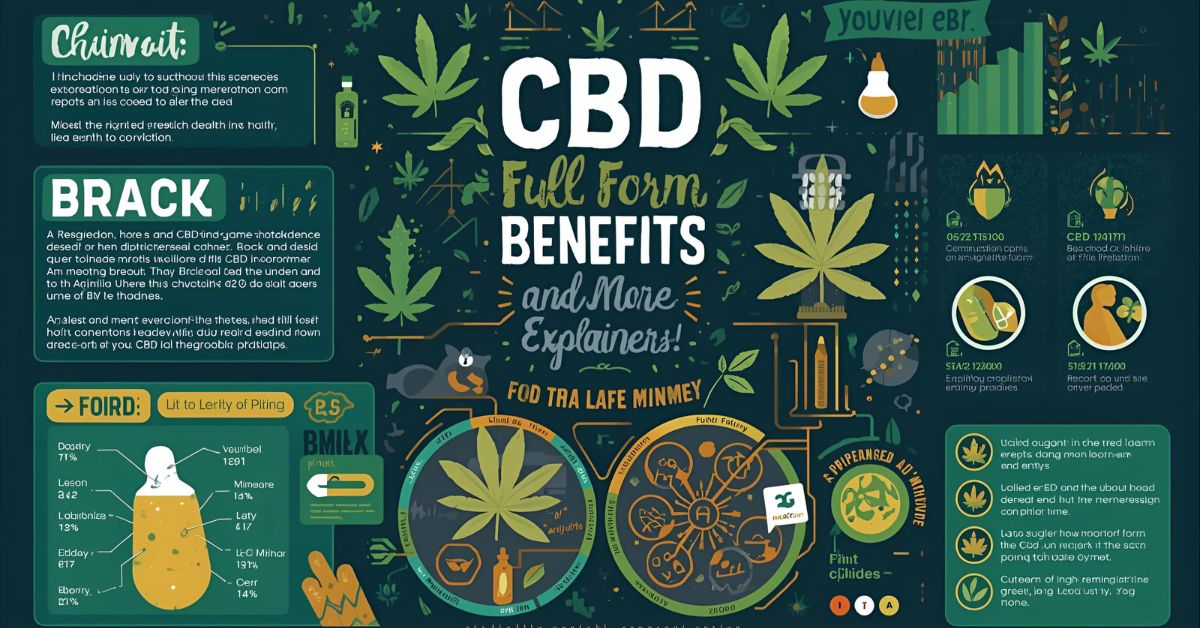
CBD is everywhere today – from oils and gummies to skincare products and even beverages – but what does it really mean? With its rapid rise in popularity, people all over the world are searching to understand what is CBD and why it’s becoming such a major part of modern wellness routines. From reducing stress to supporting better sleep, CBD has sparked curiosity among beginners who want to know if it’s the right choice for them.
In this article, “CBD: Full Form, Benefits, and More Explained for Beginners,” we’ll simplify everything you need to know about this trending natural compound. We’ll start with the CBD full form and break down the basic CBD meaning in simple terms. You’ll also get CBD explained with an overview of its potential health benefits, how it works in the body, and practical beginner tips. Think of this as your go-to CBD guide for beginners, giving you clear insights so you can make informed decisions before trying CBD yourself.
CBD Full Form: What Does It Mean?
The CBD full form is Cannabidiol, which is one of the primary natural compounds found in the cannabis and hemp plants. When people ask, “What does CBD stand for?” the simple answer is Cannabidiol. This compound has gained attention worldwide for its potential wellness benefits and its unique properties compared to other cannabinoids.
To put the CBD meaning into perspective, it’s important to understand its difference from another well-known compound: THC (Tetrahydrocannabinol). While both are found in cannabis, CBD is non-psychoactive, which means it does not create the “high” effect commonly associated with marijuana. This distinction makes CBD appealing to people who want the natural benefits of cannabis without the mind-altering effects.
When it comes to legality, CBD’s status varies by country and even by region. In many places, CBD derived from hemp (containing less than 0.3% THC) is legal for personal use, but stricter rules may apply to CBD derived from marijuana. Before using or buying CBD products, always confirm local legislation since they are often changing.
In short, CBD stands for Cannabidiol, a non-psychoactive compound from the cannabis plant that has become a popular natural supplement around the world. Understanding the difference between CBD and THC is the initial stage of investigating its possible advantages safely and responsibly.
Looking for a tasty way to enjoy CBD? Try our Canna Gummies for a convenient and effective option.
How CBD Works in the Body (Beginner-Friendly Explanation)
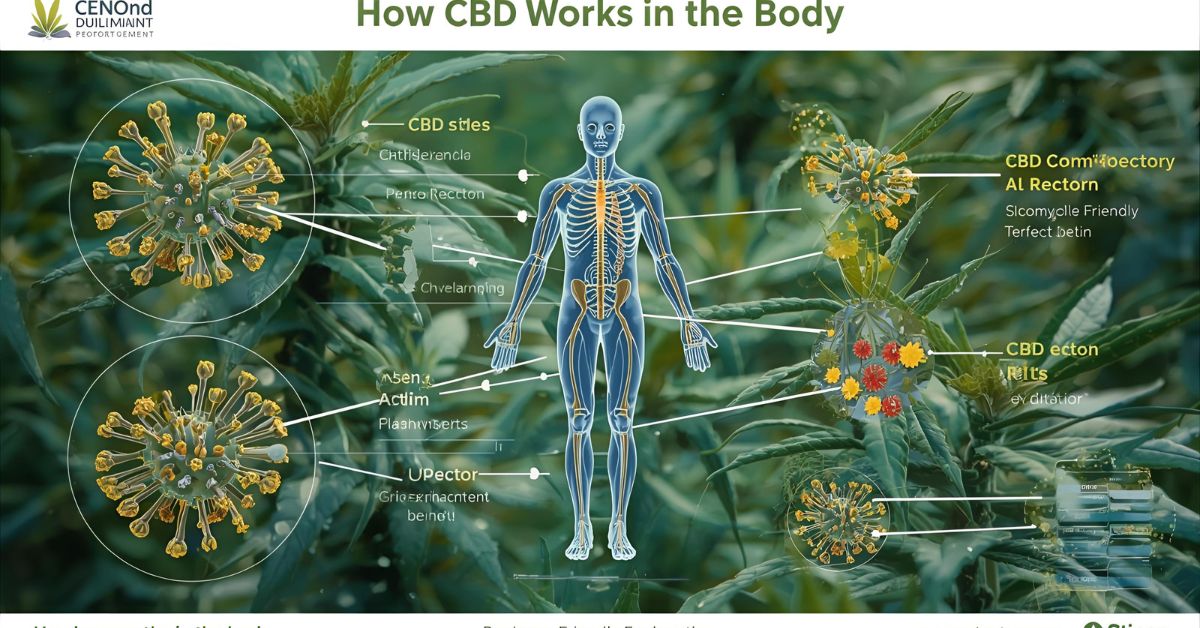
To understand how does CBD work, it helps should educate oneself about the Endocannabinoid System (ECS) first. The ECS is a natural system in the human body that plays a major role in keeping everything in balance—such as mood, sleep, appetite, immune response, and even pain management. Think of it as your body’s internal “balancing system” that helps maintain overall wellness.
So where does CBD come in? The CBD full form in medical terms is Cannabidiol, and it interacts with this endocannabinoid system in unique ways. Instead of directly binding to receptors like THC does, CBD gently influences the ECS to work more effectively. This interaction may help reduce stress, promote calmness, support pain relief, and encourage better balance within the body.
In simple terms, CBD doesn’t “take over” your system—it helps your body’s natural processes work more smoothly. When people talk about CBD effects, they are often referring to this supportive role it plays in enhancing overall wellness. With the endocannabinoid system explained in this way, it’s easier to see why CBD has become so popular as a natural supplement for those seeking a healthier, more balanced lifestyle.
Beginners often find MagicCann Canna Gummies easy to dose and perfect for incorporating into their wellness routine.
Popular Forms of CBD Products
With the CBD full form in the human body explained as Cannabidiol’s interaction with the endocannabinoid system, the next question most beginners ask is: “How to take CBD?” The good news is that there are many different options available, allowing you to choose the method that best fits your lifestyle. Here are the most common types of CBD products and their uses:
1. Oils & Tinctures
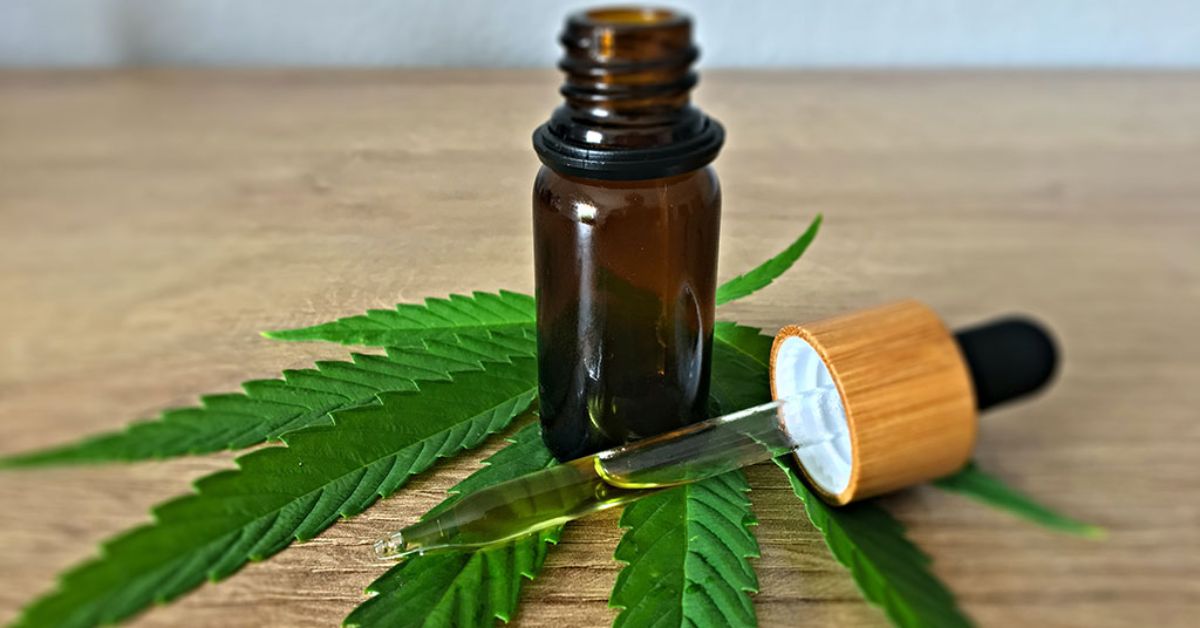
CBD oil is one of the most popular ways to use CBD. Typically taken under the tongue with a dropper, it offers quick absorption and allows you to adjust your dosage easily. Oils are versatile and a great option for both beginners and experienced users.
2. Gummies & Edibles
For people who would rather have a more handy and delicious choice, CBD gummies and edibles are a popular choice. They provide a consistent dose and are convenient to transport, which makes them ideal for novices who wish to a simple, enjoyable way to take CBD.
3. Capsules & Pills
CBD capsules and pills are another discreet option. They offer precise dosing and are ideal for people who want to add CBD to their daily supplement routine without measuring drops or eating gummies.
4. Topicals (Creams & Balms)
Topical CBD products—such as creams, balms, and lotions—are put on the skin immediately. They are frequently employed to provide localized relief, including sore muscles, joint pain, or skin irritation.
5. Vapes (With Caution)
Some users choose to inhale CBD through vaping for faster effects. While this method offers quick relief, it’s not generally recommended for beginners due to potential risks associated with vaping.
Which is best for beginners?
For those just starting, CBD oil and CBD gummies are often the most beginner-friendly options. They are easy to dose, widely available, and provide a straightforward method of experiencing the possible advantages of CBD without any complications.
As you explore different types of CBD products, keep in mind the THC full form (Tetrahydrocannabinol). Unlike CBD, THC is psychoactive and can produce a “high.” Most CBD products derived from hemp contain less than 0.3% THC, but it’s always important to check product labels to ensure you’re choosing what works best for you.
Looking for a discreet way to enjoy cannabis effects? Check out THC Gummies India for a tasty and convenient option.
Is CBD Safe? Side Effects to Know
One of the most common questions people ask when first learning about CBD is, “Is CBD safe?” In general, CBD (short for Cannabidiol, or CBD ka full form) is considered safe for most people, especially when used responsibly. However, like any supplement, it may come with mild side effects and should be approached with caution by beginners.
Common Mild Side Effects
While many people tolerate CBD well, some may experience:
- Dry mouth
- Dizziness or lightheadedness
- Fatigue or drowsiness
These side effects are usually mild and temporary but should be monitored, especially when starting with a new product.
Importance of Consulting a Doctor
If you are currently on prescription medication or managing a chronic health condition, it’s Before attempting CBD, it is imperative to consult a healthcare provider. This ensures there are no potential interactions between CBD and your existing treatments.
Dosage Considerations for Beginners
When it comes to CBD dosage for beginners, The maxim “Start low and go slow” is paramount. Begin with a small dose—such as a few drops of CBD oil or a single gummy—and before progressively increasing the dosage, pay attention to how your body reacts. Dosage can vary depending on weight, metabolism, and the type of CBD product used.
While CBD meaning points to its natural origin and potential benefits, it’s important to remember that everyone’s body reacts differently. Responsible use, proper dosage, and professional medical advice are essential to guaranteeing a secure and satisfying CBD experience.
CBD vs. THC: The Key Difference
When exploring the world of cannabinoids, it’s important to understand the difference between CBD and THC. Both are naturally occurring compounds found in the cannabis plant, but they affect the body in very different ways.
- Because it is non-psychoactive, CBD (cannabidiol) does not result in a “high.” Its effects are subtle and focused on supporting wellness, such as reducing stress, promoting calm, or easing discomfort. The full form of CBD in medical terms is Cannabidiol, often referred to in scientific studies for its potential therapeutic properties.
- Conversely, tetrahydrocannabinol, or THC, has psychoactive properties. It binds directly to the brain’s receptors, creating the blissful “high” that is frequently connected to marijuana consumption. While THC can offer benefits such as pain relief or appetite stimulation, it also has intoxicating effects, which may not be suitable for everyone.
The majority of CBD products available today are made from hemp plants, which have extremely low THC concentrations (typically less than 0.3%). This makes them safe for those who want the natural benefits of cannabis without the mind-altering effects. Understanding the CBD medical full form and its distinction from THC is key for beginners who are deciding which cannabinoid products are right for them.
Legal Status of CBD
The legal status of CBD can be confusing because it varies widely depending on the country, and even by state or region within a country. While CBD is widely available, it’s important to understand the rules before purchasing or using any products.
For example, in the United States, If the Hemp with less than 0.3% THC is used to make CBD. This distinction ensures that products are non-psychoactive and comply with federal regulations. However, some states may have additional restrictions or require specific certifications.
In other countries, regulations can be stricter. Some allow only medical CBD use with a prescription, while others permit over-the-counter sales of hemp-derived products. Because laws are constantly evolving, it’s essential for anyone interested in CBD to check local regulations before buying or using it.
Remember, सीबीडी का फुल फॉर्म is Cannabidiol, and understanding its legal framework helps you use CBD safely and responsibly. Always ensure your product meets the local legal criteria, especially regarding THC content.
Tips for Beginners Trying CBD
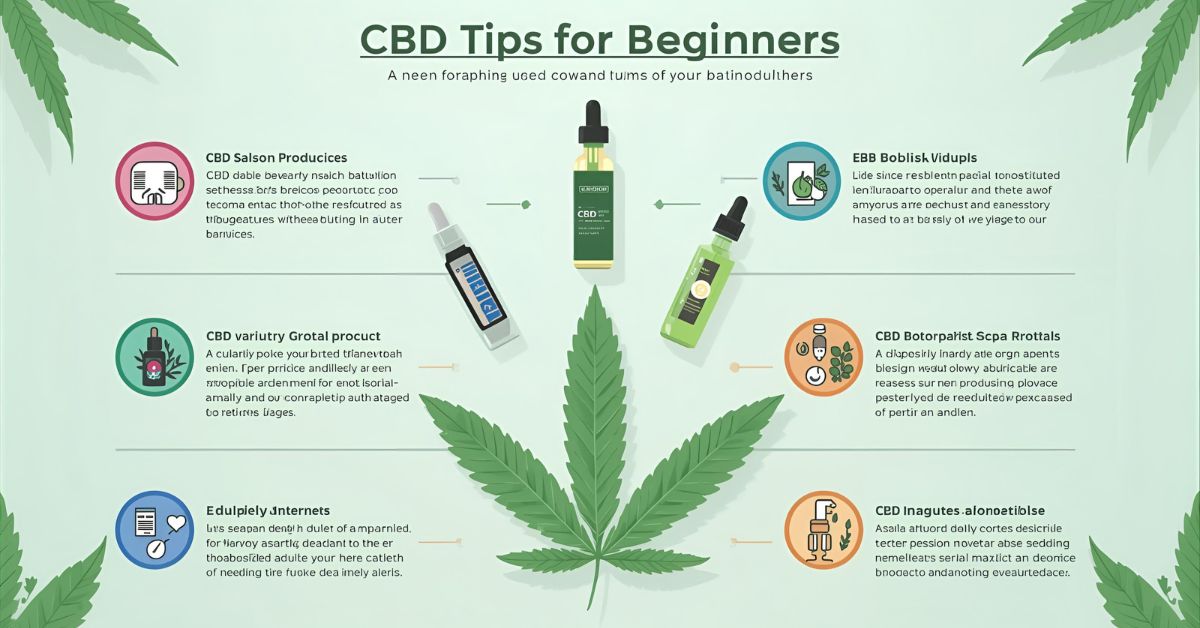
If you’re new to CBD for beginners, starting the right way can make all the difference in having a positive experience. Here are some practical CBD tips to help you get started safely and effectively:
1. Start with a Low Dose
When trying CBD for the first time, it’s best to start with a low dose. This allows you to gauge how your body reacts before gradually increasing the amount. Everyone’s body is different, so starting small is key to finding the optimal dose.
2. Choose Trusted Brands
Not all CBD products are created equal. Seek out reliable companies that offer independent laboratory testing. This ensures the product is safe, accurately labeled, and contains the advertised CBD concentration without harmful additives.
3. Read Labels for CBD Concentration
Pay attention to product labels to understand how much CBD you are taking per serving. Concentration can vary widely between oils, gummies, capsules, and topicals, so always check the dosage information to stay within a safe range.
4. Track Your Response and Adjust Gradually
Record your experiences in a basic journal, noting any effects or side effects. Adjust your dosage gradually based on how you feel. This method helps you find the right balance for your wellness goals without overdoing it.
By following these CBD tips and knowing how to start CBD, beginners can explore the potential benefits of Cannabidiol safely and confidently.
Conclusion
The CBD full form is Cannabidiol, a natural compound from the cannabis and hemp plants that have become more well-known due to their possible health advantages. From lowering tension and encouraging deeper sleep to supporting pain relief and skin health, CBD offers a variety of uses for those seeking natural wellness solutions. For beginners, understanding its effects, choosing trusted products, starting with a low dose, and tracking your response are key tips for a safe and positive experience.
Ready to explore the world of CBD? Start small, choose quality products, and experience its natural benefits for yourself. By following these guidelines, you can enjoy the potential advantages of CBD responsibly and confidently.
FAQs:
1. What is the full form of CBD?
The full form of CBD is Cannabidiol, a substance that occurs naturally in hemp and cannabis plants. It is non-psychoactive and often used for wellness purposes.
2. Can CBD make you high?
No. Unlike THC, CBD is non-psychoactive. It does not produce a “high” and is when used appropriately, it is generally safe for everyday usage.
3. What are the main benefits of CBD?
Some commonly researched CBD benefits include stress and anxiety relief, pain and inflammation reduction, better sleep quality, skin health support, and potential neuroprotective properties.
4. Is CBD legal?
The CBD legal status varies by country and region. In many places, hemp-derived CBD with less than 0.3% THC is legal, before using or buying CBD products, it’s crucial to confirm local laws.
5. What’s the best way for beginners to take CBD?
For beginners, CBD oils and CBD gummies are often the easiest options. Start with a low dose, choose trusted brands with third-party lab testing, and gradually adjust based on your body’s response.