

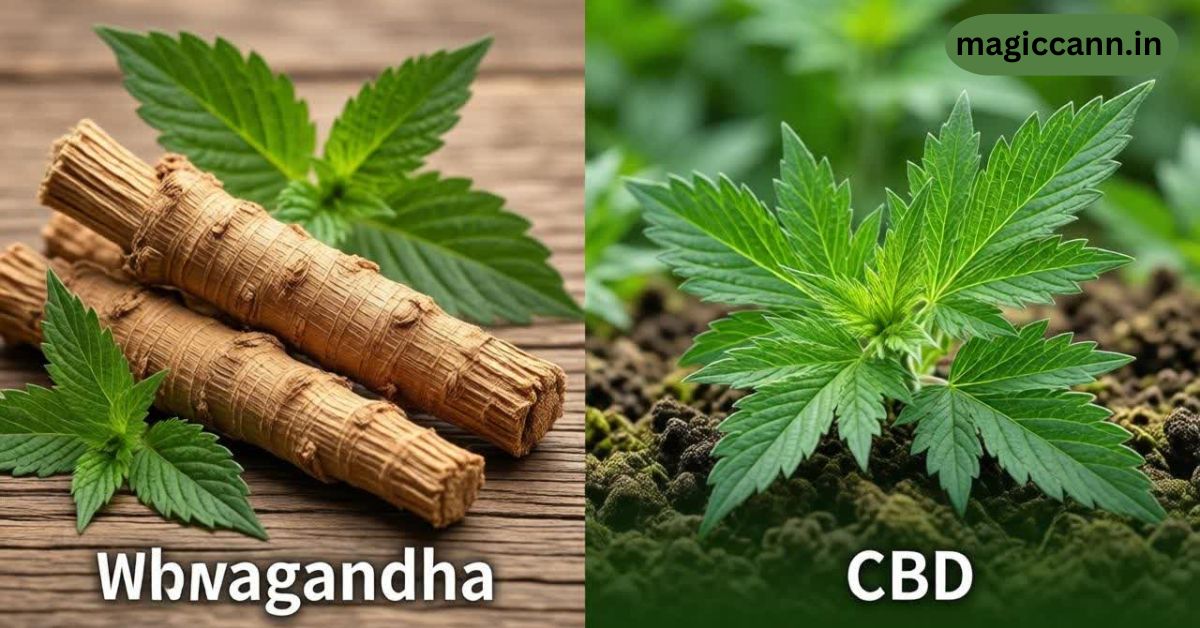
Sleep problems and anxiety often go hand in hand. When stress levels rise, falling asleep becomes harder. When sleep suffers, anxiety worsens. Because of this cycle, many people are turning to natural remedies instead of prescription medications. Two of the most popular options today are ashwagandha and CBD.
But when it comes to Ashwagandha vs. CBD for Sleep: Which One is Right for You? And more importantly, which works better naturally for both sleep and anxiety?
In this in-depth guide, we’ll break down the science, benefits, safety, comparisons, and common myths surrounding cbd and ashwagandha, so you can make an informed decision.
If you prefer plant-based remedies, Magiccann Canna Gummies are crafted from high-quality cannabis extracts for natural stress relief.
What Is Ashwagandha?
Ashwagandha, or Withania somnifera, is a plant that, is a traditional medicinal herb that has been utilized for more than 3,000 years in Ayurvedic medicine. It’s classified as an adaptogen, meaning it helps the body adapt to stress.
Ashwagandha is most commonly used for:
- Reducing stress and cortisol levels
- Improving sleep quality
- Supporting mood balance
- Enhancing cognitive function
It is typically available in capsules, powders, tinctures, and teas.
For effective natural relief, many users turn to full spectrum cannabis oil to support relaxation and sleep.
Is Ashwagandha Weed?
A common question people ask is: is ashwagandha weed? The answer is no.
Ashwagandha is a root-based herb used in traditional medicine. It is not cannabis, does not contain THC, and does not produce a psychoactive “high.”
Does Ashwagandha Have CBD?
Another frequent question is: does ashwagandha have CBD?
No, ashwagandha does not contain CBD. CBD (cannabidiol) comes from the cannabis plant, while ashwagandha comes from an entirely different plant species. They are botanically unrelated.
Is Ashwagandha Like Weed?
People often wonder: is ashwagandha like weed or is ashwagandha similar to weed?
Not really. While both may promote relaxation, they work very differently:
- Ashwagandha balances stress hormones.
- Cannabis products may interact with brain cannabinoid receptors.
- Ashwagandha does not cause intoxication.
Many users rely on Sanan Ki Goli to promote stress relief, relaxation, and improved sleep quality.
What Is CBD?
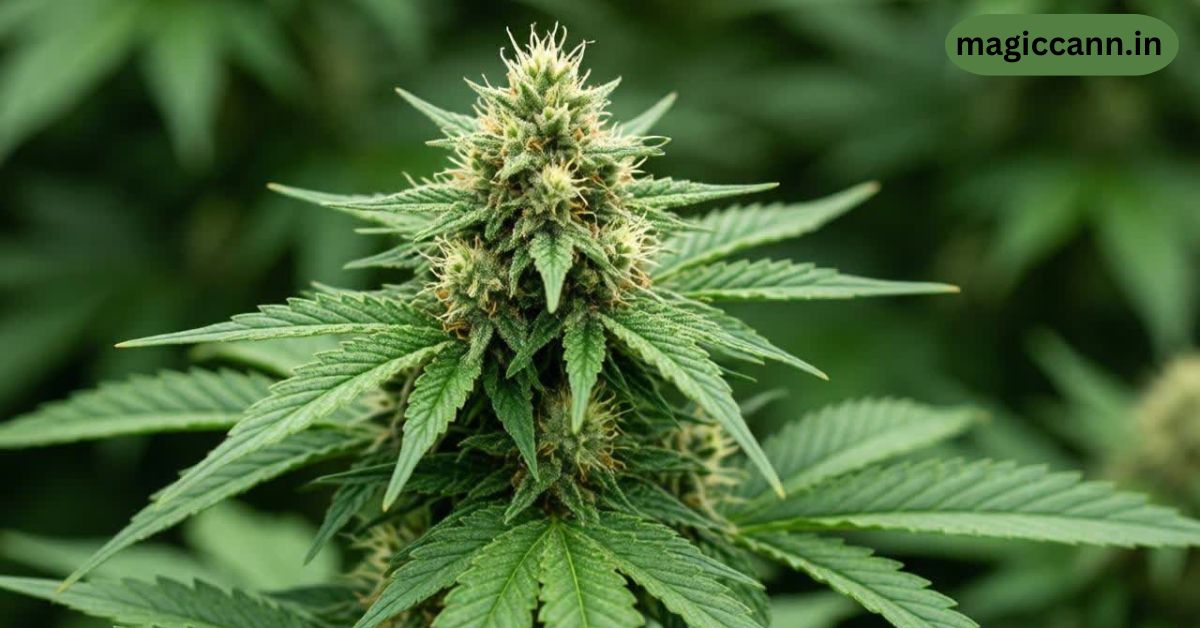
The non-psychoactive substance known as cannabidiol (CBD) is extracted from the cannabis plant. Unlike THC, it does not produce a high.
CBD interacts with the body’s endocannabinoid system (ECS), which helps regulate:
- Mood
- Sleep
- Stress response
- Pain
- Immune balance
CBD is available as oils, capsules, gummies, topicals, and even vapes.
Ashwagandha Vape vs CBD Vape
You might see products labeled ashwagandha vape, but this is uncommon and not well-studied. Most ashwagandha products are taken orally.
CBD, however, is commonly used in vape form for fast absorption. That said, inhalation methods carry potential respiratory risks, so many people prefer oils or capsules for sleep and anxiety support.
How Ashwagandha Helps With Anxiety
One of ashwagandha’s strongest benefits is stress reduction.
Cortisol Reduction
Ashwagandha is known to lower cortisol, the main stress hormone in the body. Anxiety, restlessness, and sleeplessness are strongly associated with elevated cortisol levels.
Several clinical studies suggest that ashwagandha supplementation can considerably lower anxiety and stress ratings when compared to a placebo.
GABA Support
Ashwagandha may also support the GABA system in the brain. GABA is a calming neurotransmitter that promotes relaxation and reduces nervous tension.
Because of this, many people use ashwagandha for daily stress management rather than immediate anxiety relief.
How CBD Helps With Anxiety
CBD works differently from ashwagandha.
Endocannabinoid System Regulation
CBD interacts with CB1 and CB2 receptors indirectly, helping balance mood and stress response.
Serotonin Receptor Activity
CBD influences serotonin receptors (5-HT1A), which play a major role in anxiety and mood disorders. This may explain why many users report fast-acting calming effects.
Social Anxiety and Acute Stress
Some research suggests CBD may help with:
- Social anxiety
- Public speaking stress
- Panic-like symptoms
This makes cbd and ashwagandha for anxiety an interesting comparison: ashwagandha may work better for chronic stress, while CBD may provide more immediate calming effects.
Ashwagandha vs CBD for Anxiety: Key Differences
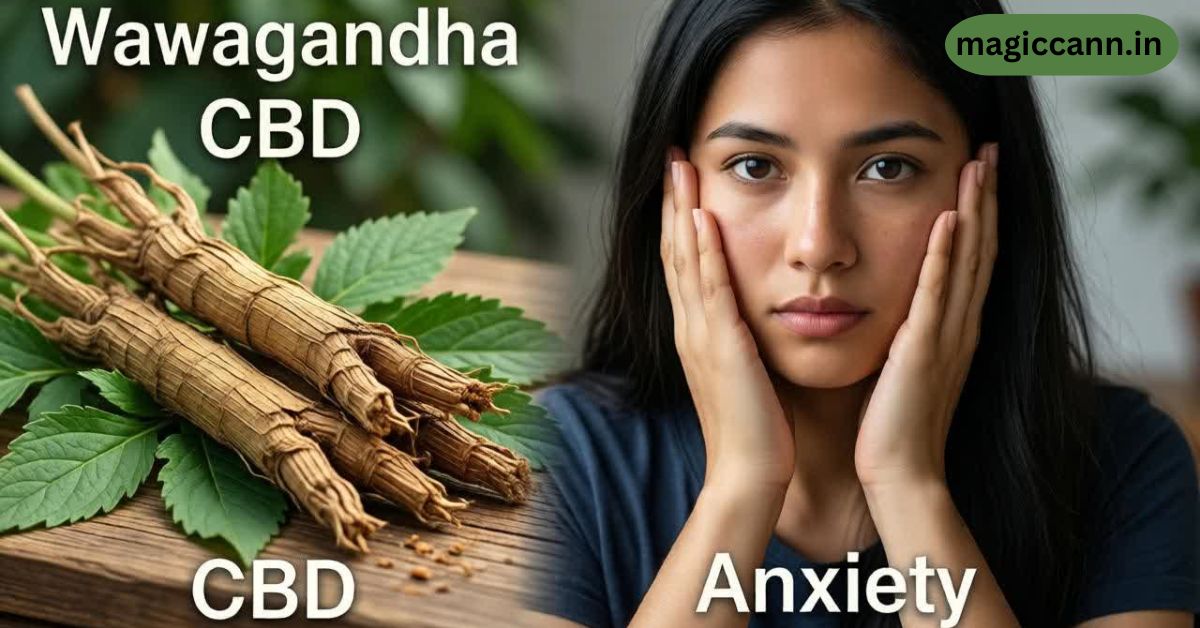
When comparing ashwagandha vs cbd for anxiety, the biggest differences lie in how they work and how quickly they act.
| Feature | Ashwagandha | CBD |
|---|---|---|
| Main Mechanism | Cortisol regulation | Endocannabinoid system |
| Speed of Effect | Gradual (weeks) | Often faster (minutes to hours) |
| Best For | Chronic stress | Acute anxiety |
| Psychoactive? | No | No |
If your anxiety is long-term and stress-related, ashwagandha may be ideal. If you need quicker calming support, CBD may have an edge.
How Ashwagandha Helps With Sleep
Ashwagandha has sleep-supporting properties for several reasons:
- Reduces nighttime cortisol
- Promotes relaxation
- May improve sleep latency (time to fall asleep)
- Enhances overall sleep quality
Interestingly, the species name “somnifera” actually means “sleep-inducing.”
Ashwagandha may be particularly helpful for people whose insomnia is stress-driven.
How CBD Helps With Sleep
CBD may improve sleep in a different way.
Anxiety Reduction
Since anxiety often causes insomnia, reducing anxiety may indirectly improve sleep.
REM Sleep Regulation
Some evidence suggests CBD may help regulate REM sleep cycles.
Pain Reduction
If pain is interfering with sleep, CBD’s anti-inflammatory properties may help.
However, CBD’s effects on sleep can vary by dose. Lower doses may promote alertness, while higher doses may be more sedating.
Ashwagandha vs CBD for Sleep: Which Works Better?
Now let’s focus directly on Ashwagandha vs. CBD for Sleep: Which One is Right for You?
The underlying reason of your sleep issues will determine the solution.
Choose Ashwagandha If:
- Your insomnia is stress-related
- You prefer herbal, non-cannabis remedies
- You want gradual hormone balance
- You experience elevated cortisol
Choose CBD If:
- You struggle with anxiety at bedtime
- You want faster calming effects
- You have pain-related sleep disruption
- You are comfortable using cannabis-derived products
When evaluating ashwagandha vs cbd, remember that both are natural but function differently in the body.
CBD and Ashwagandha Together: Is It Safe?
A growing trend is using cbd and ashwagandha together.
Since they act through different pathways, combining them may provide complementary benefits:
- Ashwagandha supports long-term stress regulation
- CBD offers short-term calming effects
Many wellness products now combine these two ingredients for enhanced stress and sleep support.
However, before combining supplements, get medical advice, especially if you take medications.
Ashwagandha vs Weed: Are They Comparable?
Some people search for ashwagandha vs weed when looking for natural relaxation options.
Here’s the difference:
- Weed (cannabis containing THC) can be psychoactive.
- Ashwagandha does not cause intoxication.
- Weed directly activates cannabinoid receptors.
- Ashwagandha works through stress hormone modulation.
If you’re looking for non-intoxicating relaxation, ashwagandha is not a substitute for cannabis but may offer calming support without cognitive impairment.
CBD vs Ashwagandha: Side Effects Comparison

Both supplements are generally well tolerated.
Ashwagandha Side Effects
- Mild digestive upset
- Drowsiness
- Possible thyroid interaction
CBD Side Effects
- Dry mouth
- Drowsiness
- Digestive discomfort
- Potential medication interactions
When comparing cbd vs ashwagandha, CBD may have more drug interaction potential due to liver enzyme involvement.
Is Ashwagandha Similar to Weed in Effects?
To clarify again: is ashwagandha similar to weed?
No. While both may reduce stress, their effects differ significantly:
- Ashwagandha supports resilience to stress over time.
- Weed can produce altered perception and euphoria.
- Ashwagandha does not impair judgment.
They are not interchangeable.
Dosage Considerations
Ashwagandha
Typical daily doses range from 300–600 mg of standardized extract.
Benefits may take 2–8 weeks to become noticeable.
CBD
Dosages vary widely, often between 10–50 mg daily for anxiety and sleep support.
Effects may be noticeable within 30–90 minutes depending on the form used.
Who Should Avoid Ashwagandha or CBD?
Avoid Ashwagandha If:
- You have autoimmune conditions (without medical guidance)
- You are pregnant
- You have hyperthyroidism
Avoid CBD If:
- You take medications metabolized by CYP450 enzymes
- You are sensitive to cannabis-derived products
A healthcare professional should always be consulted before beginning any new supplement regimen.
Which One Is More Natural?
Both are plant-derived. However:
- Ashwagandha has thousands of years of traditional use.
- CBD is more modern in mainstream wellness.
If you are specifically concerned about cannabis use, ashwagandha may feel more familiar and culturally accepted.
Final Verdict: Ashwagandha vs. CBD for Sleep and Anxiety
So, Ashwagandha vs. CBD for Sleep and Anxiety: Which Works Better Naturally?
There is no one-size-fits-all answer.
- For chronic stress and gradual hormone balance → Ashwagandha may be better.
- For quicker anxiety relief and sleep onset support → CBD may be more effective.
- For comprehensive stress management → Combining cbd and ashwagandha could offer synergistic benefits.
Ultimately, the best choice depends on:
- Your anxiety type (chronic vs acute)
- Your sleep challenges (stress vs pain vs racing thoughts)
- Your comfort level with cannabis-derived products
- Your overall health profile
Both options offer promising natural support for modern stress and sleep issues.
If you’re deciding between ashwagandha vs cbd, consider your specific symptoms, consult a healthcare professional, and start with low doses to evaluate your response.
FAQs
1. Ashwagandha vs. CBD for Sleep: Which One is Right for You?
The right choice depends on the cause of your sleep issues. If your insomnia is mainly caused by chronic stress and high cortisol, ashwagandha may help regulate stress hormones over time. If anxiety or racing thoughts are preventing you from falling asleep, CBD may provide faster calming effects. In some cases, using cbd and ashwagandha together may offer complementary benefits.
2. What is the difference between ashwagandha vs CBD?
When comparing ashwagandha vs cbd, the biggest difference lies in how they work in the body. An adaptogenic herb that helps balance stress hormones like cortisol is ashwagandha. CBD regulates mood, anxiety, and sleep via interacting with the endocannabinoid system. Ashwagandha typically works gradually, while CBD may act more quickly.
3. Is ashwagandha like weed?
No, ashwagandha is not like weed. It does not contain THC, does not cause a high, and does not alter perception. While both may promote relaxation, ashwagandha works by reducing stress hormones, whereas cannabis directly interacts with cannabinoid receptors in the brain.
4. Is ashwagandha weed?
No, ashwagandha is not weed. It is a traditional Ayurvedic herb derived from the root of Withania somnifera. It is botanically unrelated to cannabis and does not produce psychoactive effects.
5. Does ashwagandha have CBD?
No, ashwagandha does not have CBD. One substance that is taken from the cannabis plant is called CBD (cannabidiol), while ashwagandha comes from a completely different medicinal herb. They are separate natural substances with different mechanisms of action.