

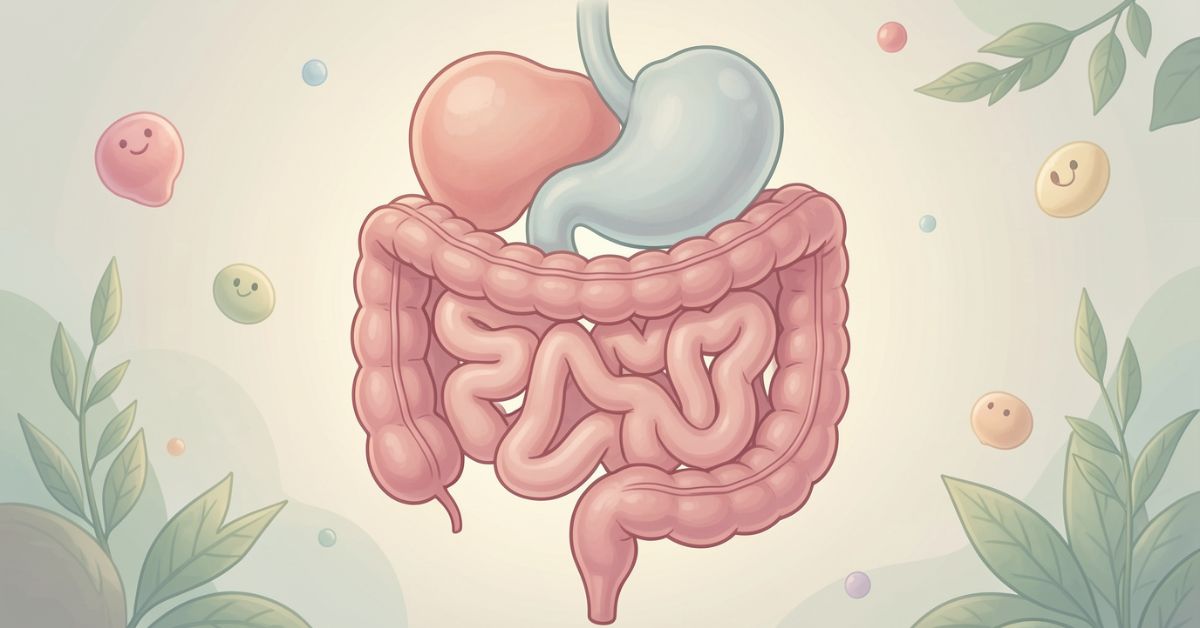
Digestive health plays a crucial role in overall well-being. When the digestive system is not functioning properly, it can lead to discomfort, bloating, abdominal pain, and long-term ailments like irritable bowel syndrome (IBS). In recent years, many people have started exploring natural remedies to support gut health, and one of the most discussed options is CBD.
The growing interest in CBD and Digestive Health: A Natural Approach to Gastrointestinal Wellness comes from the compound’s potential ability to support the body’s natural balance and reduce inflammation. From helping with stress-related digestive issues to potentially easing symptoms of IBS, CBD has gained attention as a promising natural supplement for gastrointestinal wellness.
In this guide, we will explore how CBD may support digestive health, how it interacts with the body, and whether it can help with conditions like IBS, constipation, and digestive discomfort.
If you’re new to CBD, starting with cbd gummies can be an easy and beginner-friendly option.
Understanding Digestive Health and Gut Balance
The digestive system is responsible for breaking down food, absorbing nutrients, and eliminating waste. A healthy digestive system ensures that the body receives the nutrients it needs while maintaining balance in the gut.
Gut balance refers to the proper functioning of the digestive tract along with a healthy community of gut bacteria, known as the gut microbiome. When this balance is disrupted, people may experience symptoms such as:
- Bloating
- Gas
- Constipation
- Diarrhea
- Abdominal pain
- Irregular bowel movements
Several factors can affect digestive health, including diet, stress, medications, infections, and lifestyle habits. Chronic digestive disorders such as IBS can significantly impact quality of life.
This is where natural remedies like CBD are being studied as potential support for digestive wellness.
Traditional herbal formulations such as vijaya oil have been used for centuries to support overall well-being.
What Is CBD?
CBD, or cannabidiol, is a natural compound found in the cannabis plant. Unlike THC, CBD does not cause psychoactive effects, meaning it does not produce a “high.”
CBD interacts with the body’s endocannabinoid system (ECS), which helps regulate several important functions, including:
- Mood
- Pain perception
- Immune response
- Appetite
- Digestion
Because the ECS plays a role in gut function and inflammation, researchers are exploring how CBD might support digestive health and balance.
For those looking to support overall health naturally, Cannabis Oil has become a popular plant-based option.
The Endocannabinoid System and Gut Health
The endocannabinoid system is a complex cell-signaling network present throughout the body. It includes receptors known as CB1 and CB2 receptors.
These receptors are found in many organs, including the digestive tract. They help regulate functions such as:
- Gastrointestinal motility
- Inflammation
- Pain signaling
- Appetite control
When CBD interacts with these receptors, it may influence digestive processes and help maintain balance within the gut. This is why many researchers are interested in how CBD and digestive health are connected.
CBD and IBS: Understanding the Connection

IBS, or irritable bowel syndrome, is among the most prevalent digestive disorders worldwide. It affects the large intestine and can cause symptoms such as abdominal pain, cramping, diarrhea, constipation, and bloating.
Many people search for natural solutions such as cbd for irritable bowel syndrome because traditional treatments may not always provide complete relief.
Symptoms of IBS
Common IBS symptoms include:
- Abdominal discomfort or pain
- Bloating
- Gas
- Diarrhea
- Constipation
- Changes in bowel habits
Because IBS symptoms vary widely, some people experience diarrhea-predominant IBS, while others struggle with constipation.
This leads many people to ask an important question: does cbd help ibs?
Does CBD Help IBS?
While research is still ongoing, some early studies suggest CBD may help support digestive health and reduce certain IBS symptoms.
CBD may help IBS by:
- Reducing inflammation
- Supporting gut motility
- Managing pain and discomfort
- Reducing stress and anxiety
Since stress often triggers IBS flare-ups, CBD’s potential calming effects may indirectly help manage symptoms.
Many individuals exploring natural options for digestive support are turning to cbd and ibs solutions as part of a holistic wellness approach.
CBD Oil for IBS: How It May Work
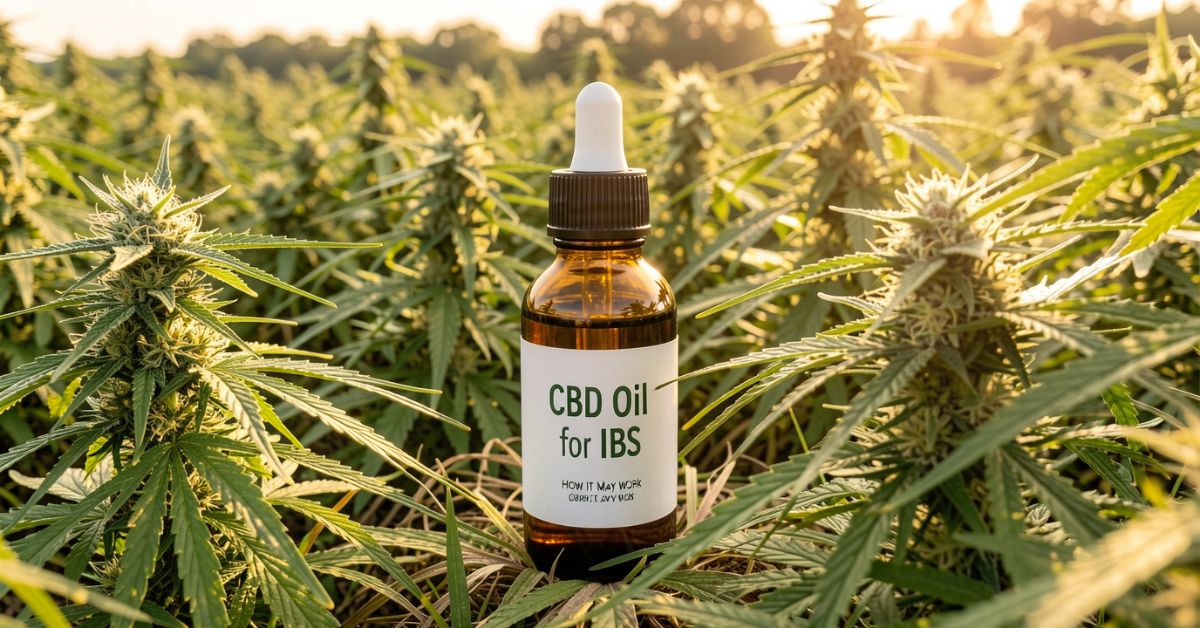
One of the most common forms of CBD is CBD oil. Many people choose cbd oil for ibs because it is easy to use and may provide fast absorption when taken sublingually.
CBD oil may help support digestive health through several mechanisms:
1. Reducing Gut Inflammation
Inflammation in the digestive tract can worsen IBS symptoms. CBD is believed to have anti-inflammatory properties that may help calm inflammation in the gut.
2. Supporting Gut Motility
Gut motility refers to how food moves through the digestive system. In IBS, motility may be too fast (causing diarrhea) or too slow (causing constipation).
CBD may help regulate this process, potentially improving digestive balance.
3. Managing Pain
Abdominal pain is one of the most common IBS symptoms. Some studies suggest CBD may influence pain perception through the endocannabinoid system.
For this reason, people exploring cbd oil ibs solutions often report improvements in comfort and digestive stability.
CBD for IBS Diarrhea
Some individuals experience diarrhea-predominant IBS. This condition can cause frequent bowel movements, urgency, and dehydration.
Many people are now exploring cbd for ibs diarrhea to see if CBD may help regulate digestive activity.
CBD may help by:
- Reducing intestinal inflammation
- Supporting normal gut motility
- Calming stress-related digestive reactions
However, responses vary from person to person, and more research is needed to confirm these effects.
CBD for Constipation and Digestive Support
Constipation is another common digestive issue associated with IBS and poor gut health. People searching for natural relief often look for the best cbd for constipation.
CBD may support digestive balance by interacting with receptors that influence gut motility. By helping regulate how the digestive tract contracts, CBD may assist in maintaining smoother bowel movements.
However, the effectiveness of CBD for constipation can depend on dosage, product quality, and individual physiology.
CBD Oil for Irritable Bowel Syndrome
For those considering natural digestive support, cbd oil for irritable bowel syndrome is one of the most popular options available today.
CBD oil can be taken in several ways:
- Sublingually (under the tongue)
- Added to food or drinks
- In capsule form
Each method may provide different absorption rates and effects.
When selecting cbd for irritable bowel syndrome, it is important to choose high-quality products that are third-party tested and free from contaminants.
Can CBD Reduce Stress-Related Digestive Problems?
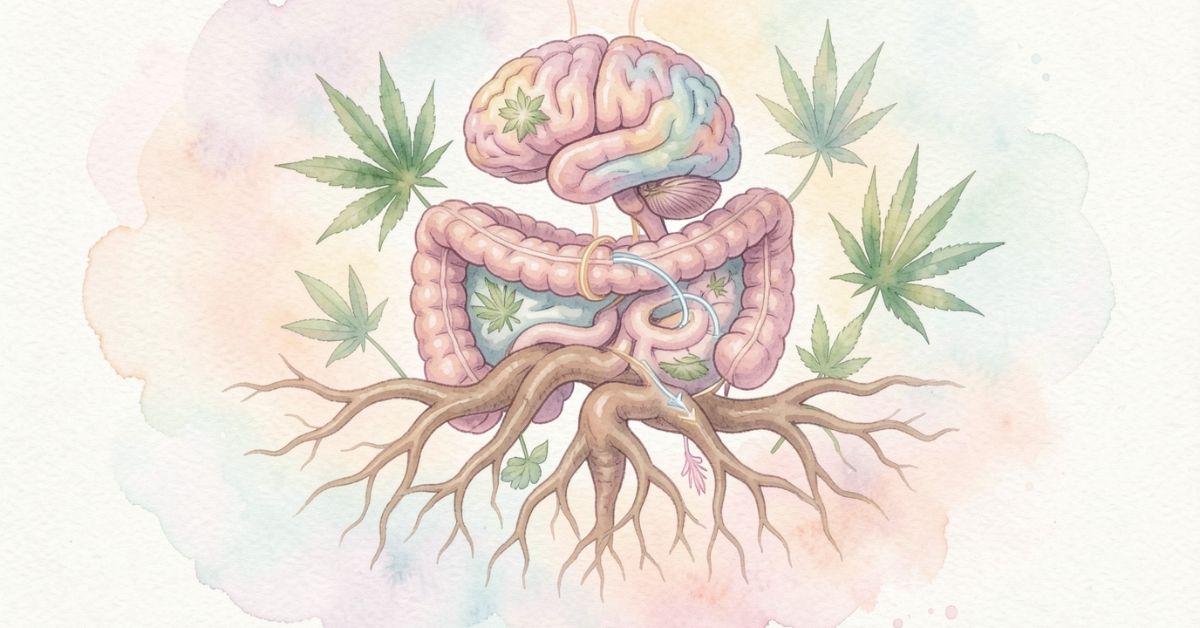
Stress is a major trigger for digestive issues. The brain and gut are closely connected through what is known as the gut-brain axis.
When stress levels increase, digestive symptoms such as cramps, bloating, and diarrhea may worsen.
CBD may help by:
- Promoting relaxation
- Reducing anxiety
- Supporting a balanced stress response
Because stress often contributes to IBS flare-ups, this is one reason many people explore ibs cbd solutions for digestive health.
Can CBD Improve Gut Inflammation?
Inflammation is a common factor in many digestive disorders. While IBS is considered a functional disorder rather than an inflammatory disease, inflammation can still worsen symptoms.
CBD may influence immune responses and inflammatory pathways in the body. Some research suggests CBD may help reduce inflammation in the digestive tract.
This potential anti-inflammatory effect is a key reason why cbd ibs discussions are growing in the digestive health community.
Choosing the Right CBD Product for Digestive Health
Not all CBD products are the same. When choosing CBD for digestive wellness, it is important to consider several factors.
1. Product Type
CBD products come in various forms:
- CBD oil
- Capsules
- Gummies
- Tinctures
- Topicals
For digestive support, oils and capsules are often preferred.
2. Full Spectrum vs Broad Spectrum
Full-spectrum CBD contains additional cannabinoids and plant compounds that may work together to enhance benefits.
This is sometimes called the “entourage effect.”
3. Third-Party Testing
Always choose CBD products that have been independently tested to ensure purity and potency.
How to Use CBD for Digestive Health
When starting CBD, it is generally recommended to begin with a low dose and gradually increase as needed.
Typical guidelines include:
- Start with a small dose
- Monitor how your body responds
- Increase slowly if necessary
Consistency is also important when using CBD for digestive support.
People who use cbd oil for ibs often report better results after regular use rather than occasional use.
Lifestyle Tips to Improve Gut Balance
While CBD may support digestive health, it works best when combined with healthy lifestyle habits.
Some helpful tips include:
Eat a Balanced Diet
Include fiber-rich foods such as fruits, vegetables, and whole grains.
Stay Hydrated
Drinking enough water helps maintain healthy digestion.
Manage Stress
Stress reduction techniques like meditation and exercise can improve digestive function.
Get Enough Sleep
Quality sleep supports gut health and overall wellness.
Real Experiences: “CBD Cured My IBS”
Online discussions often include personal stories where individuals claim “cbd cured my ibs.”
While these experiences can be encouraging, it is important to understand that results vary widely from person to person.
CBD may help manage symptoms, but it is not considered a guaranteed cure for IBS.
Anyone considering CBD for digestive health should consult a healthcare professional, especially if they have a chronic condition.
Safety and Side Effects of CBD
CBD is generally considered safe for most people. However, some individuals may experience mild side effects, including:
- Fatigue
- Dry mouth
- Changes in appetite
- Digestive discomfort
CBD may also interact with certain medications, so medical guidance is recommended.
The Future of CBD and Digestive Health Research
Interest in CBD and Digestive Health: A Natural Approach to Gastrointestinal Wellness continues to grow as researchers study the compound’s effects on gut function and inflammation.
Future studies may help determine:
- Optimal dosages for digestive support
- Long-term effects of CBD use
- How CBD interacts with the gut microbiome
- Its potential role in IBS management
As scientific understanding improves, CBD may become a more widely accepted tool for supporting digestive wellness.
If you are looking for natural digestive remedies, you may also find Triphala for Constipation: Ancient Ayurvedic Solution for Digestive helpful for supporting gut health.
Conclusion
Digestive health is essential for overall well-being, and maintaining gut balance can help prevent many uncomfortable symptoms. As people search for natural ways to support their digestive systems, CBD has emerged as a promising option.
Research into CBD and Digestive Health: A Natural Approach to Gastrointestinal Wellness suggests that CBD may help regulate inflammation, support gut motility, and manage stress-related digestive issues.
For individuals dealing with IBS, exploring options such as CBD for IBS, or CBD oil for irritable bowel syndrome, may provide additional support as part of a comprehensive wellness strategy.
However, CBD should not replace medical treatment. Instead, it may serve as a complementary approach to improving digestive comfort and promoting better gut balance.
FAQs
Does CBD help with IBS?
Some research suggests CBD may help reduce inflammation, manage pain, and support gut balance, which may improve IBS symptoms for some individuals.
What is the best CBD for constipation?
The best cbd for constipation often includes high-quality CBD oil or capsules that support gut motility and digestive balance.
Can CBD oil help IBS diarrhea?
Some people use cbd for ibs diarrhea to help regulate digestive function and reduce inflammation in the gut.
Is CBD safe for digestive health?
CBD is generally considered safe for most people, but it is always best to consult a healthcare professional before starting any new supplement.
How long does CBD take to help IBS symptoms?
Effects may vary depending on dosage, product type, and individual body chemistry. Some people notice benefits within days, while others may take several weeks.