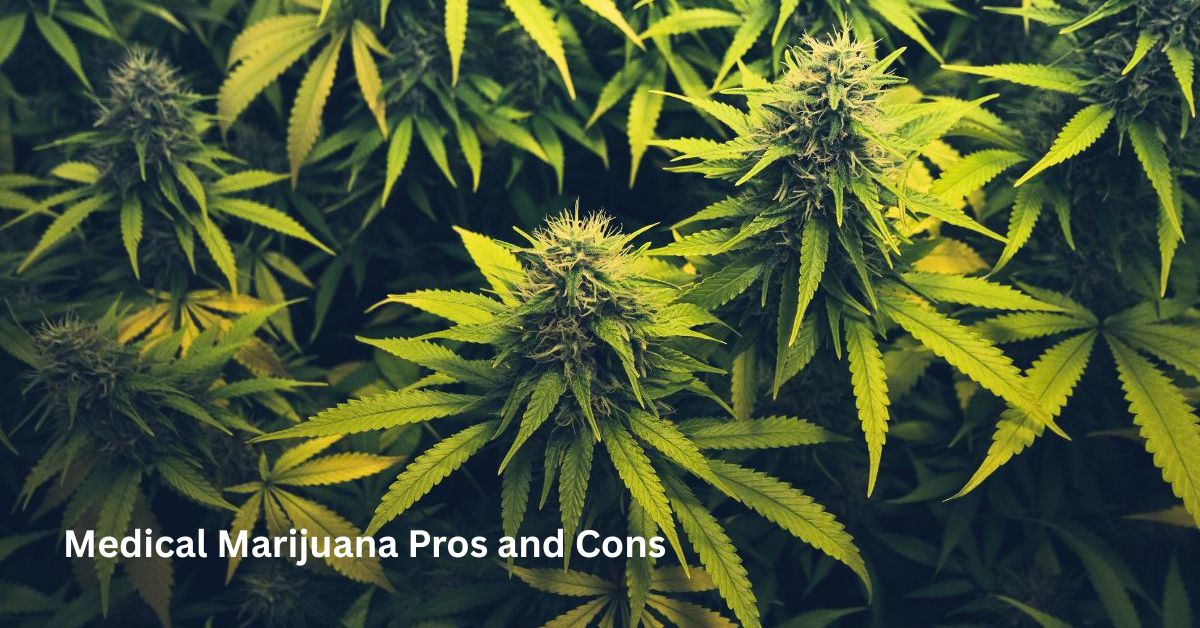
Cannabis has been used for centuries for medicinal, cultural, and recreational purposes. In recent years, global discussions around legalization, medical marijuana, and wellness applications have increased public interest in understanding both the benefits of weed and its potential risks. While many people highlight the cannabis benefits, others raise valid concerns about safety, dependency, and mental health effects.
This Health & Safety Guide offers a balanced, research-informed overview of the top benefits and side effects of cannabis, helping readers make informed decisions. It also includes regional and traditional perspectives, including கஞ்சா நன்மைகள் தீமைகள், to address a broader audience.
Compared to smoking, canna gummies provide a longer-lasting effect due to slower digestion.
What Is Cannabis?
Cannabis is a plant genus that includes species such as Cannabis sativa, Cannabis indica, and Cannabis ruderalis. The plant contains about 100 chemical compounds called cannabinoids, the most well-known of which are:
- THC (Tetrahydrocannabinol) – responsible for the psychoactive “high”
- CBD (Cannabidiol) – non-intoxicating, often used for therapeutic purposes
Different parts of the plant, including the கஞ்சா இலை (cannabis leaf), flowers, seeds, and resin, are used in various forms such as oils, edibles, dried herb, and traditional preparations like bhang. Premium CBD oil in Tamil Nadu
Understanding Cannabis in Traditional and Cultural Contexts
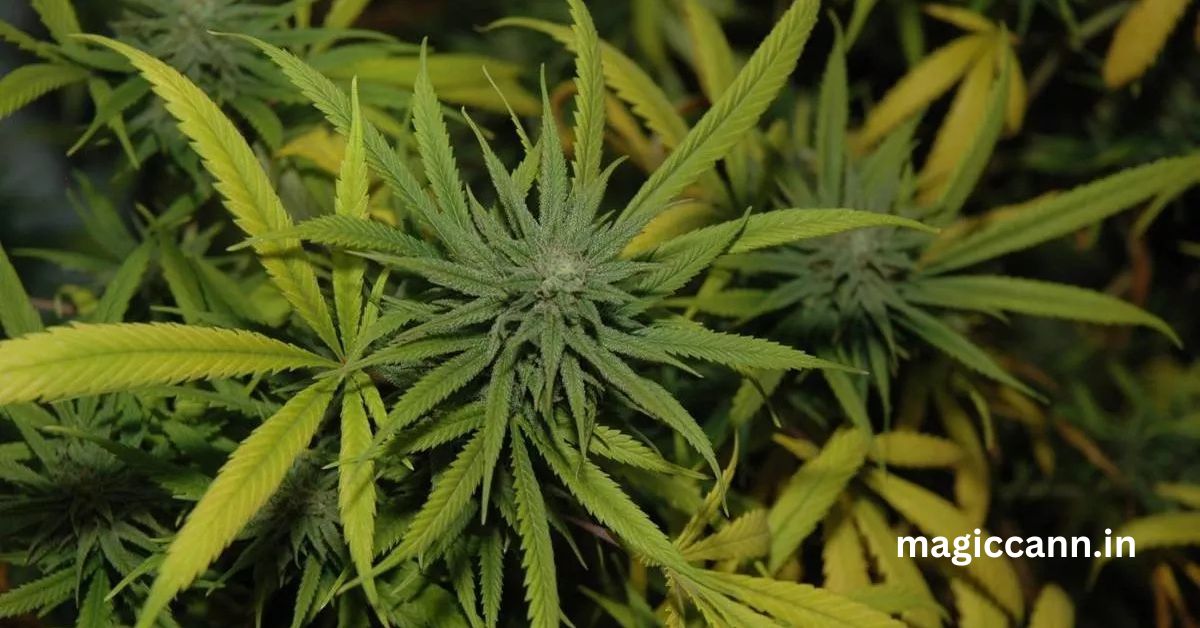
In India and parts of South Asia, cannabis has long been referenced in Ayurveda and cultural practices. Preparations like bhang are traditionally consumed during festivals such as Holi. Discussions around bhang benefits and side effects often emphasize moderation, preparation method, and individual tolerance.
In Tamil contexts, searches for கஞ்சா நன்மைகள், கஞ்சா தீமைகள், and கஞ்சா நன்மைகள் தீமைகள் reflect a growing desire to understand both traditional beliefs and modern medical evidence.
Wellness seekers often explore full spectrum cannabis oil for holistic support and balanced effects.
Top Benefits of Cannabis
1. Pain Relief and Inflammation Reduction
One of the most recognized cannabis benefits is its potential to relieve chronic pain. Cannabinoids interact with the body’s endocannabinoid system, which regulates pain and inflammation.
Benefits may include:
- Relief from arthritis and joint pain
- Reduced nerve pain (neuropathic pain)
- Support for conditions like fibromyalgia
This is one of the most commonly cited weed benefits in medical research.
2. Stress and Anxiety Management (When Used Carefully)
Many users report that cannabis helps them relax and manage stress. Low doses of certain strains may help reduce anxiety by promoting calmness and improved mood.
However, dosage is critical. While small amounts may help, higher doses—especially THC-dominant products—can increase anxiety in some individuals. This dual effect highlights why understanding benefits of weed must always include awareness of potential risks.
3. Improved Sleep Quality
Cannabis is often used as a sleep aid, particularly for people struggling with insomnia or disrupted sleep patterns.
Potential sleep-related benefits include:
- Faster sleep onset
- Reduced nighttime awakenings
- Improved sleep duration
Traditional users have long associated cannabis with rest and recovery, a belief still reflected in searches related to கஞ்சா நன்மைகள்.
4. Appetite Stimulation
Cannabis is well recognized for giving users “the munchies,” or increased hunger. People who are losing their appetite as a result of illnesses or therapies may benefit from this impact.
Helpful for:
- Cancer patients undergoing chemotherapy
- Individuals with eating disorders (under supervision)
- Patients with chronic illness-related weight loss
This is one of the most practical weed benefits in clinical care.
5. Support for Neurological Conditions
Research suggests cannabis may help manage symptoms associated with certain neurological disorders.
Potential benefits include:
- Reduced muscle spasms
- Improved mobility
- Decreased seizure frequency in some cases
CBD-rich cannabis products are often preferred due to their non-intoxicating nature.
6. Anti-Nausea Properties
It has been demonstrated that cannabis can lessen vomiting and nausea, particularly in individuals receiving chemotherapy or suffering from severe gastrointestinal disorders.
This benefit has contributed to cannabis being approved for medical use in several countries under regulated conditions.
7. Mood Enhancement and Relaxation
When used responsibly, cannabis may temporarily elevate mood and promote relaxation. Social users often cite these effects as reasons for occasional use.
However, this benefit varies widely depending on strain, dose, and individual sensitivity.
8. Traditional Uses of Cannabis Leaf (கஞ்சா இலை)
The கஞ்சா இலை has been used in traditional remedies for centuries. In some systems of alternative medicine, cannabis leaves are believed to have cooling, anti-inflammatory, and calming properties.
While traditional practices offer cultural insight, modern users should rely on evidence-based guidance and safe preparation methods.
Side Effects of Cannabis (கஞ்சா தீமைகள்)
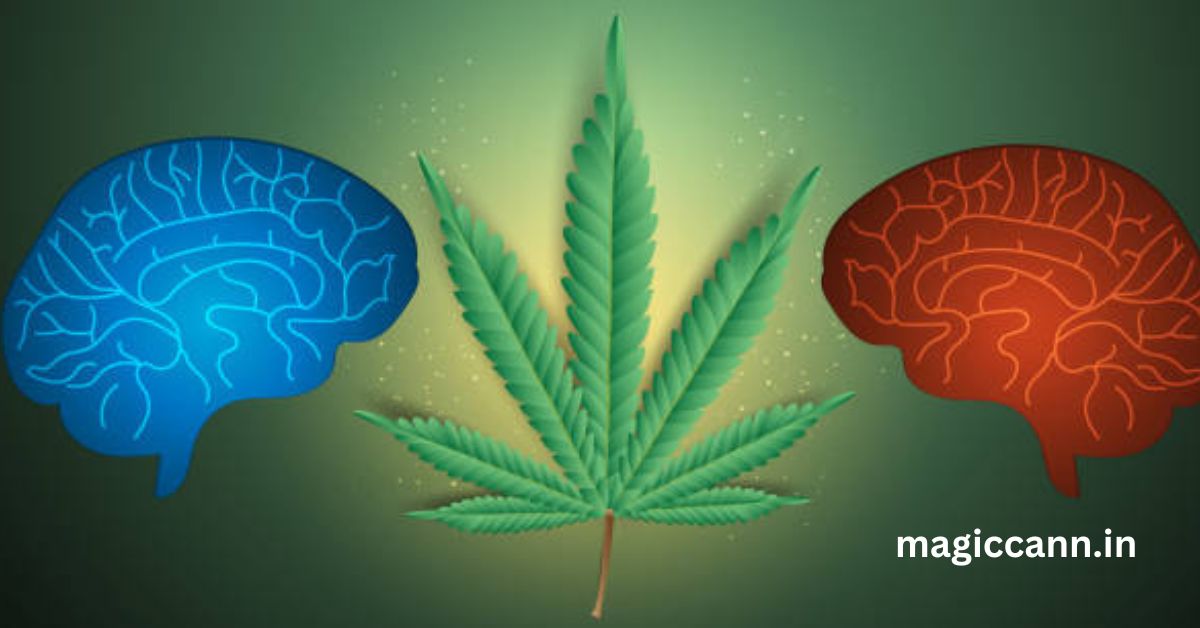
Understanding கஞ்சா தீமைகள் is just as important as recognizing its benefits. Cannabis is not risk-free, especially when misused or consumed excessively.
1. Short-Term Cognitive Effects
Common short-term side effects include:
- Impaired memory
- Reduced concentration
- Slower reaction time
These effects can impact activities such as driving or operating machinery.
2. Anxiety and Paranoia
While cannabis may reduce stress in some people, others experience increased anxiety, panic, or paranoia—especially at higher THC levels.
This is one of the most frequently reported side effects of cannabis and highlights the importance of dosage control.
3. Increased Heart Rate
Cannabis may momentarily alter blood pressure and heart rate, which may pose risks for individuals with underlying heart conditions.
4. Dependency and Habit Formation
Regular use of cannabis can result in psychological dependence even if it is not thought to be as addictive as some other narcotics.
Signs may include:
- Cravings
- Difficulty reducing use
- Continued use despite negative effects
This is an essential consideration in discussions around benefits of weed versus long-term safety.
5. Impact on Mental Health
Long-term or heavy cannabis use, especially starting at a young age, may be associated with mental health challenges such as:
- Mood disorders
- Reduced motivation
- Increased risk of psychosis in vulnerable individuals
This is a critical part of கஞ்சா நன்மைகள் தீமைகள் discussions.
6. Lung and Respiratory Issues
Cannabis use can irritate the lungs and cause chronic cough or respiratory discomfort. Non-smoking methods such as oils or edibles may reduce this risk, though they come with their own dosage challenges.
7. Digestive Discomfort
Edibles and traditional preparations like bhang may cause nausea, bloating, or stomach upset when consumed in excess.
This is especially relevant when discussing bhang benefits and side effects, as delayed onset can lead to accidental overconsumption.
Bhang Benefits and Side Effects Explained

Bhang is a traditional cannabis preparation made from leaves and consumed during religious or cultural events.
Potential benefits:
- Relaxation
- Social bonding
- Appetite stimulation
Possible side effects:
- Dizziness
- Confusion
- Nausea
- Anxiety
Understanding bhang benefits and side effects requires cultural awareness and responsible consumption.
Safe and Responsible Cannabis Use
To maximize cannabis benefits while minimizing risks:
- Start with low doses
- Avoid mixing with alcohol or other substances
- Do not drive or operate machinery while under influence
- Be mindful of mental health history
- Choose regulated, tested products where legal
Education is key to balancing benefits of weed with health and safety.
Cannabis: Health, Safety, and Legal Awareness
Cannabis laws vary widely by country and region. While some areas allow medical or recreational use, others strictly prohibit it. Always be aware of local regulations before possession or consumption.
From a health perspective, cannabis should never replace professional medical advice. Individuals considering cannabis for wellness should consult qualified healthcare providers.
Final Thoughts:
The conversation around cannabis is evolving. From pain relief and relaxation to potential side effects and dependency risks, cannabis presents both opportunities and challenges.
Understanding Top Benefits & Side Effects of Cannabis: Health & Safety Guide principles helps users make informed, responsible decisions. Whether exploring cannabis benefits, learning about weed benefits, or researching கஞ்சா நன்மைகள் தீமைகள், education and moderation remain essential.
Cannabis is neither a miracle cure nor an inherently harmful substance—it is a powerful plant that requires respect, knowledge, and responsible use.
FAQs:
1. What are the main benefits of cannabis?
The main cannabis benefits include pain relief, reduced inflammation, improved sleep, stress relaxation, appetite stimulation, and support for certain neurological conditions. Many people explore the benefits of weed for managing chronic pain, nausea, and sleep disorders when used responsibly.
2. What are the common side effects of cannabis?
Dry mouth, lightheadedness, and memory loss are typical adverse effects, anxiety, increased heart rate, and reduced concentration. Dependency may result from prolonged or excessive use or mental health concerns, which is why understanding Top Benefits & Side Effects of Cannabis is important.
3. Is cannabis safe for daily use?
Cannabis may be safe for some individuals when used in controlled, low doses, However, regular use may raise the risk of adverse consequences and dependence. Health experts recommend moderation and medical guidance, especially when using cannabis for wellness purposes.
4. What are the benefits of weed for mental health?
Some people report reduced stress and relaxation from cannabis use. However, while weed benefits may include temporary mood elevation, high doses—especially THC-rich products—can worsen anxiety or paranoia in certain individuals.
5. What does “கஞ்சா நன்மைகள் தீமைகள்” mean?
The Tamil phrase கஞ்சா நன்மைகள் தீமைகள் translates to “benefits and disadvantages of cannabis.” It is commonly searched by users looking to understand both the positive effects and potential risks of cannabis in a balanced way.