


Cortisol, sometimes known as the “stress hormone,” is crucial for the body’s response to pressure, danger, and daily demands. While cortisol is essential for survival, chronically high cortisol levels can negatively affect physical health, mental well-being, sleep quality, metabolism, and hormonal balance. As stress-related disorders rise globally, many people are asking an important question: does CBD lower cortisol, and can it help manage stress naturally?
The non-psychoactive substance cannabidiol (CBD) is extracted from the cannabis plant, has drawn interest because of its potential to support stress relief, hormonal balance, and nervous system regulation. This article explores CBD and cortisol, examining the science, benefits, safety considerations, and whether CBD may help people struggling with high cortisol levels.
Check out our curated list of top weed cigarette brands to find the perfect option for your needs.
Understanding Cortisol: Why This Hormone Matters
The adrenal glands create the steroid hormone cortisol, located above the kidneys. It is regulated by the hypothalamic-pituitary-adrenal (HPA) axis, which regulates the body’s response to stress.
Explore our range of high-quality CBD capsules online for daily wellness and stress support.
Key Functions of Cortisol
Cortisol helps the body:
- Regulate blood sugar levels
- Control inflammation
- Manage metabolism and energy use
- Maintain blood pressure
- Support the sleep-wake cycle
- Respond to physical and emotional stress
In healthy individuals, cortisol follows a diurnal rhythm—highest in the morning and gradually decreasing throughout the day.
It’s easy to order full spectrum cannabis oil online and enjoy fast delivery.
What Happens When Cortisol Is Too High?
Chronic stress, lack of sleep, anxiety disorders, overtraining, Inadequate nutrition and specific illnesses can cause persistently elevated cortisol. High cortisol levels are associated with:
- Anxiety and irritability
- Weight gain (especially abdominal fat)
- Insomnia and poor sleep quality
- Fatigue and burnout
- Weakened immune function
- Hormonal imbalances
This has led many people to explore natural approaches, including CBD for cortisol regulation.
What Is CBD and How Does It Work in the Body?
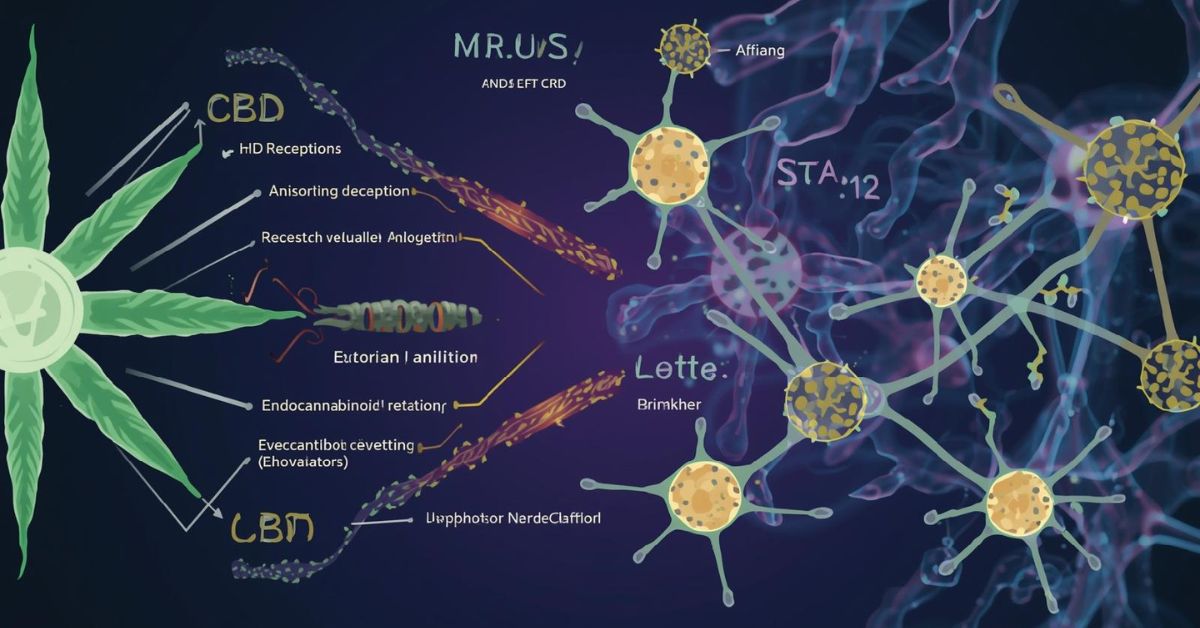
More than 100 distinct cannabinoids are found in cannabis, including CBD (cannabidiol). CBD doesn’t give you a “high,” in contrast to THC. Rather, it engages with the endocannabinoid system (ECS), a regulatory network that is responsible for preserving equilibrium (homeostasis).
The Endocannabinoid System and Stress
The ECS plays a role in:
- Stress response
- Mood regulation
- Sleep cycles
- Immune response
- Hormone signaling
CBD influences ECS receptors indirectly and also interacts with serotonin receptors, GABA signaling, and stress-related pathways. These mechanisms explain why CBD and cortisol levels are frequently studied together.
Does CBD Lower Cortisol? What the Research Suggests
One of the most common questions is: does CBD reduce cortisol levels? While research is still emerging, existing studies and clinical observations offer promising insights.
CBD and Cortisol: Scientific Evidence
Research suggests that CBD may:
- Modulate the HPA axis response to stress
- Reduce stress-induced cortisol release
- Promote relaxation and emotional regulation
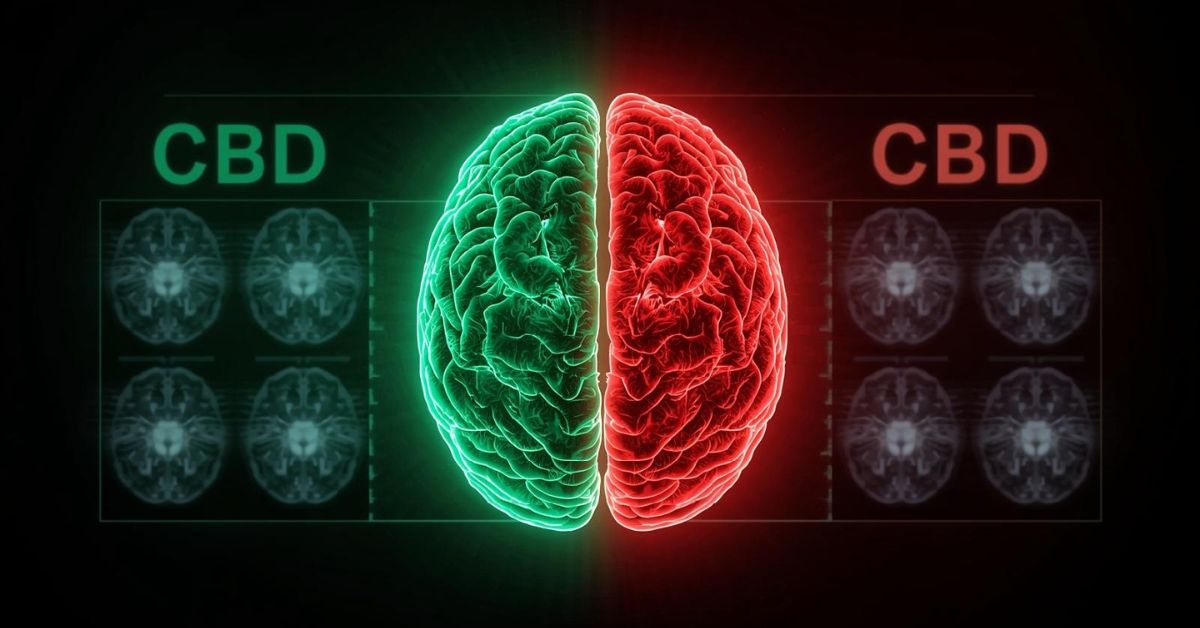
A small human study found that CBD administration reduced cortisol levels in participants exposed to stress. Animal studies also indicate that CBD may blunt excessive cortisol spikes caused by chronic stress.
Although large-scale clinical trials are still needed, current evidence supports the idea that CBD lowers cortisol indirectly by reducing stress signaling in the brain.
How CBD May Help Regulate High Cortisol Levels

CBD does not “block” cortisol entirely—nor should it. Instead, it may help normalize cortisol production by addressing root causes such as stress, anxiety, and poor sleep.
1. CBD and Stress Reduction
Stress is the primary driver of cortisol release. CBD may help by:
- Calming the nervous system
- Reducing overactivation of the stress response
- Supporting emotional resilience
By reducing perceived stress, CBD for cortisol management may help prevent chronic cortisol elevation.
2. CBD and Anxiety Management
Anxiety disorders are closely linked to high cortisol levels. Research suggests CBD may support:
- Reduced anxiety symptoms
- Improved emotional regulation
- Lower stress-induced hormone release
This explains why people often ask, can CBD lower cortisol by easing anxiety?
3. CBD and Sleep Quality
Poor sleep increases cortisol levels, especially at night when cortisol should be low. CBD may help by:
- Supporting deeper, more restorative sleep
- Reducing nighttime anxiety
- Regulating circadian rhythms
Better sleep can naturally lower cortisol over time.
4. CBD and Inflammation Control
Chronic inflammation can trigger cortisol dysregulation. CBD’s anti-inflammatory properties may help stabilize cortisol by reducing inflammatory stress signals.
CBD and Cortisol Levels in Long-Term Stress Conditions
CBD for Adrenal Fatigue and Burnout
Although adrenal fatigue is not an officially recognized medical diagnosis, many people experience symptoms linked to prolonged stress and cortisol imbalance. These include:
- Constant fatigue
- Brain fog
- Sleep disturbances
- Mood swings
CBD adrenal fatigue support may come from its capacity to reduce the stress reaction and assist rebalance cortisol output rather than overstimulating or suppressing adrenal function.
CBD Cortisol Support for Modern Lifestyles
High-pressure jobs, digital overload, and lack of recovery time contribute to cortisol dysregulation. CBD may serve as a supportive tool alongside lifestyle modifications like stress reduction, healthy eating, and adequate sleep.
Can CBD Lower Cortisol Naturally Without Hormonal Disruption?
A key advantage of CBD is that it appears to support hormonal balance without directly manipulating hormone production.
Why CBD Is Considered Gentle on Hormones
- CBD works through regulatory pathways, not hormone replacement
- It supports balance rather than forcing suppression
- It adapts to the body’s needs through the ECS
This makes CBD appealing to those seeking a natural approach to managing cortisol levels without harsh side effects.
Does CBD Help With Cortisol Levels in Men and Women?
Cortisol affects men and women differently due to interactions with estrogen, progesterone, and testosterone.
In Women
High cortisol may worsen:
- PMS symptoms
- Menstrual irregularities
- Sleep disturbances
- Anxiety and mood changes
CBD may help by supporting stress regulation and hormonal balance.
In Men
Elevated cortisol can reduce testosterone and increase fatigue. CBD’s stress-modulating effects may indirectly support healthier hormone ratios.
While individual responses vary, many ask does CBD help with cortisol levels across genders? Current evidence suggests it may be beneficial for both.
Best Forms of CBD for Cortisol Support
Not all CBD products work the same way. Choosing the right format can influence effectiveness.
Common CBD Forms
- CBD oil/tinctures: Fast absorption, flexible dosing
- CBD capsules: Consistent daily support
- CBD gummies: Convenient and stress-friendly
- CBD topicals: Not effective for cortisol regulation
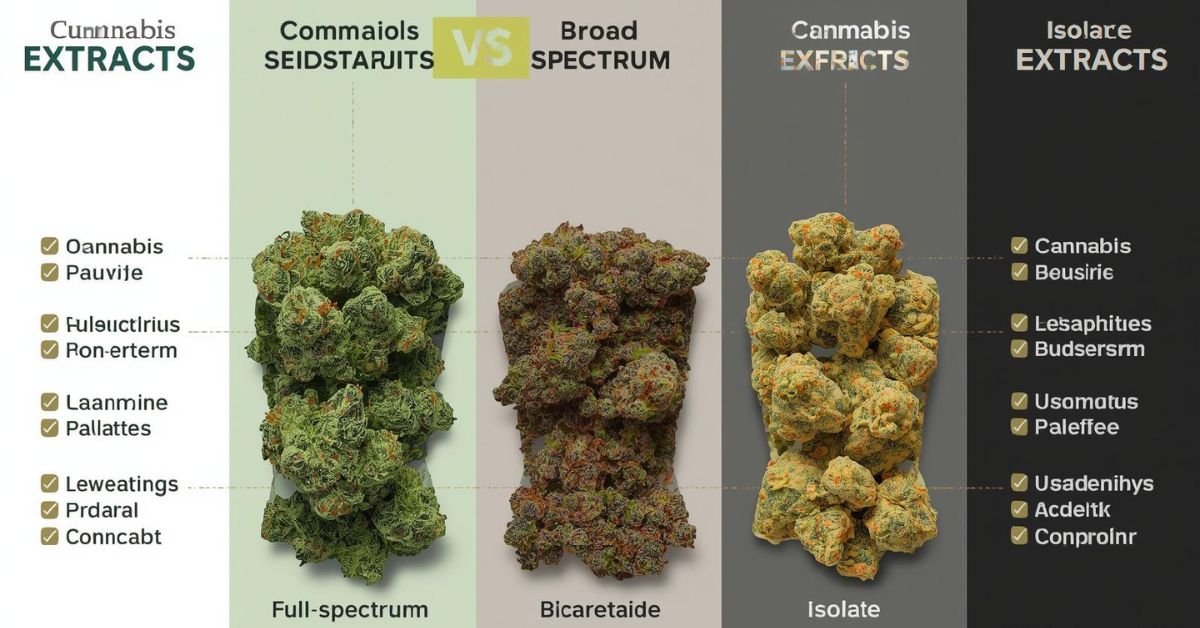
Full-Spectrum vs Broad-Spectrum vs Isolate
- Full-spectrum CBD contains multiple cannabinoids and may offer stronger stress-balancing effects due to the entourage effect.
- Broad-spectrum CBD excludes THC while retaining other cannabinoids.
- CBD isolate contains only CBD and may be less effective for stress regulation.
How Much CBD Should You Take to Support Cortisol Balance?
There is no universal dosage for cortisol regulation. The right amount depends on:
- Body weight
- Stress severity
- Individual sensitivity
- Product strength
General Guidelines
- Start with a little dosage (5–10 mg daily)
- Increase gradually based on response
- Take consistently for several weeks
CBD often works best when used regularly, not as a one-time solution.
Safety, Side Effects, and Precautions
Is CBD Safe for Cortisol Management?
CBD is generally well-tolerated, but some people may experience:
- Mild drowsiness
- Dry mouth
- Digestive discomfort
Who Should Be Cautious?
- People taking medications that affect hormones or liver enzymes
- Pregnant or breastfeeding individuals
- Those with adrenal or endocrine disorders
Before using CBD to regulate cortisol, it is advised to speak with a healthcare provider.
CBD vs Other Natural Cortisol-Lowering Approaches
CBD works best when combined with lifestyle changes.
Complementary Strategies
- Mindfulness and meditation
- Regular physical activity
- Adequate sleep
- Balanced nutrition
- Limiting caffeine and alcohol
CBD is not a cure-all but may be a powerful supportive tool.
Final Thoughts:
So, does CBD lower cortisol? While CBD is not a direct hormone suppressant, evidence suggests it may support healthy cortisol regulation by addressing stress, anxiety, inflammation, and sleep disturbances—the main drivers of cortisol imbalance.
For individuals struggling with chronic stress, burnout, or elevated cortisol, CBD may offer a natural, well-tolerated option when used responsibly and consistently. As research continues to grow, CBD’s role in stress and hormone health is becoming increasingly clear.
FAQs:
Does CBD lower cortisol immediately?
CBD does not usually cause an immediate drop. It works gradually by regulating stress response over time.
Does CBD reduce cortisol long-term?
With consistent use and lifestyle support, CBD may help normalize cortisol patterns.
Can CBD lower cortisol caused by anxiety?
Yes, by reducing anxiety and calming the nervous system, CBD may indirectly lower cortisol.
Is CBD for cortisol backed by science?
Early studies and biological mechanisms support the link, but more clinical research is ongoing.